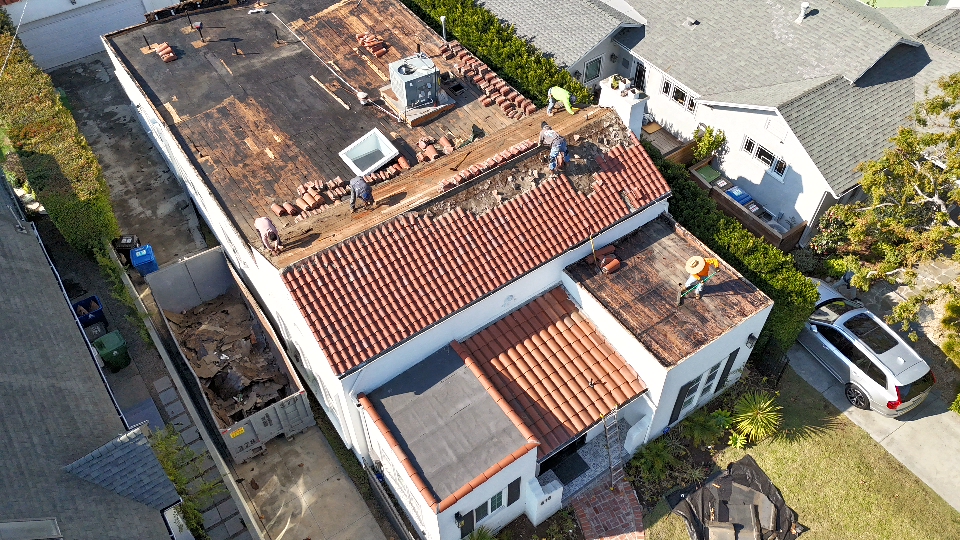
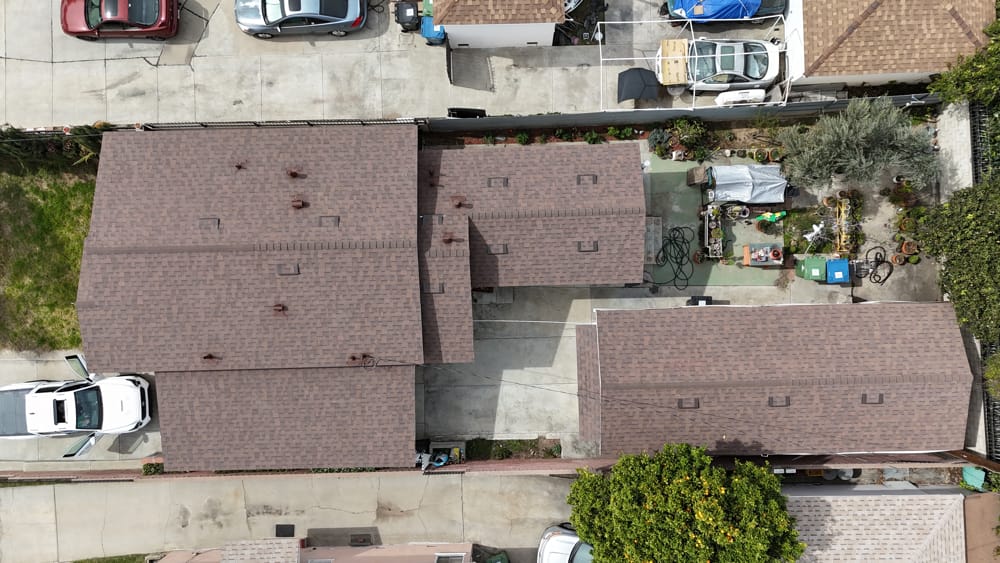
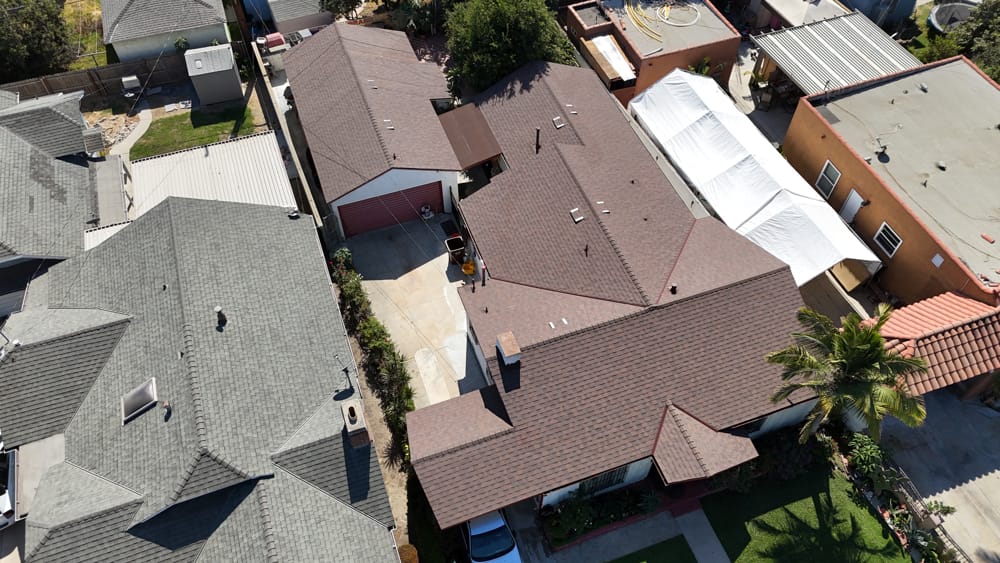
A commercial roofing system is one of the most important investments a business property owner can make. Whether you operate a retail store, manage an office building, own a warehouse, or oversee a commercial facility, your roof plays a major role in protecting your building, employees, equipment, and valuable inventory. Therefore, choosing professional Commercial Roof Installation in Los Angeles, CA is essential for maintaining a safe, functional, and dependable property.
Los Angeles has a climate that creates several challenges for commercial roofing systems. For example, prolonged sunshine, high summer temperatures, occasional heavy rainfall, and seasonal weather changes can gradually affect roofing materials. Consequently, commercial property owners need roofing solutions that provide durability, reliable drainage, and long-term performance.
At Family Roofing, property owners can explore roofing services designed to address different roofing requirements. From evaluating existing roof conditions to considering installation and replacement options, selecting the right roofing approach can make a significant difference. Furthermore, professional installation helps reduce the risk of common roofing problems and supports the long-term protection of commercial buildings.
However, installing a commercial roof involves more than selecting materials and covering a building. Instead, it requires proper planning, accurate measurements, suitable material selection, professional workmanship, and ongoing maintenance. In this guide, we explain everything business owners should understand before investing in commercial roof installation.
Why Commercial Roof Installation Matters for Los Angeles Businesses
A commercial roof does much more than protect a building from outdoor weather. In fact, it contributes to the property’s structural protection, energy performance, indoor comfort, and overall value.
Therefore, investing in a professionally installed roofing system is important for businesses of every size.
First, a properly installed roof helps protect interior spaces from rainwater and moisture. Additionally, it helps protect electrical equipment, inventory, furniture, and other valuable business assets.
Moreover, an appropriate roofing system can support better temperature management. Since Los Angeles experiences extended periods of sunshine, certain reflective roofing materials may help reduce unwanted solar heat absorption.
Consider these important benefits:
- Building protection: A dependable roofing system helps protect the structure against weather-related damage.
- Reduced water intrusion: Proper installation helps minimize vulnerabilities around seams, flashing, and roof penetrations.
- Energy performance: Suitable roofing materials may help improve building efficiency.
- Business continuity: Addressing roofing needs can reduce the risk of unexpected leaks disrupting daily operations.
- Property value: A well-maintained commercial roof can contribute to the overall condition and appeal of a building.
- Long-term reliability: Quality materials and professional workmanship can support consistent roofing performance.
Consequently, commercial property owners should consider roof installation a long-term business investment rather than simply another construction expense.
Understanding Commercial Roofing Requirements in Los Angeles, CA
Every commercial property has different roofing requirements. For instance, a small retail building may need a different roofing system than a large industrial warehouse.
Similarly, office buildings, restaurants, medical facilities, and shopping centers can have different structural designs and drainage requirements.
Therefore, professional roofing planning should begin with an evaluation of the building.
Important considerations include:
Building Size and Structure: The total roof area, structural design, and existing roof configuration influence material selection and installation methods.
Roof Slope: Some commercial buildings have flat or low-slope roofs. Consequently, drainage design becomes particularly important because water must move efficiently toward designated drainage points.
Existing Roofing Condition: If the building already has a roofing system, professionals should evaluate its condition before recommending installation or replacement.
Weather Exposure: Prolonged sunlight and seasonal rainfall can influence the selection of suitable roofing materials.
Building Operations: Businesses that operate throughout the day may need installation scheduling that minimizes disruptions.
Furthermore, understanding these requirements helps property owners avoid choosing a roofing system that does not suit their building.

Popular Commercial Roofing Systems for Business Properties
Choosing the right roofing material is one of the most important decisions during a commercial roof installation project. Although several roofing options are available, the best choice depends on building design, budget, maintenance expectations, and environmental conditions.
Here are some commonly used commercial roofing systems.
1. TPO Roofing Systems
Thermoplastic Polyolefin, commonly known as TPO, is a single-ply roofing membrane frequently used on commercial flat and low-slope buildings.
It is popular because many TPO products feature reflective surfaces. As a result, they can help reduce solar heat absorption when properly selected and installed.
Additionally, heat-welded seams can create strong connections between membrane sections.
However, installation quality is essential because seams, penetrations, and flashing details must be handled correctly.
2. EPDM Roofing Systems
Ethylene Propylene Diene Monomer, or EPDM, is a synthetic rubber roofing membrane used on many commercial properties.
It offers flexibility and weather resistance. Furthermore, its installation methods can accommodate different commercial roof configurations.
However, property owners should consider the membrane’s color and thermal characteristics when evaluating its suitability for a building in Los Angeles.
3. Modified Bitumen Roofing
Modified bitumen is a multi-layer roofing material commonly used for flat and low-slope commercial buildings.
It offers flexibility and can provide durable waterproofing when installed correctly.
Moreover, different installation methods are available depending on the selected product and project requirements.
4. Built-Up Roofing Systems
Built-up roofing, often called BUR, uses multiple layers of bitumen and reinforcing materials.
Consequently, it creates a layered roofing assembly designed to provide protection against moisture and everyday environmental exposure.
Nevertheless, the building’s structural capacity and installation requirements should be evaluated before selecting this system.
5. Metal Roofing Systems
Metal roofing is another option for certain commercial buildings.
It offers durability, design flexibility, and resistance to many environmental conditions. Additionally, suitable metal roofing finishes may help manage solar heat absorption.
However, the roof design must account for expansion, contraction, fastening systems, and proper drainage.
Commercial Roofing Materials Comparison
Before selecting a roofing system, business owners should understand the general characteristics of different materials.
| Roofing System | Common Applications | Important Characteristics |
| TPO | Flat and low-slope commercial roofs | Reflective options and heat-welded seams |
| EPDM | Flat and low-slope buildings | Flexible synthetic rubber membrane |
| Modified Bitumen | Commercial low-slope roofs | Multi-layer waterproofing system |
| Built-Up Roofing | Commercial and industrial properties | Multiple protective layers |
| Metal Roofing | Selected commercial buildings | Durable panels and design flexibility |
Importantly, no roofing material is ideal for every building. Therefore, professional recommendations should account for the property’s structure, drainage, climate exposure, and intended use.
The Commercial Roof Installation Process
A successful commercial roofing project requires careful planning and organized execution. Although installation methods vary according to the selected roofing system, several important stages are common to most projects.
Step 1: Initial Roof Inspection
First, roofing professionals evaluate the existing roof and identify visible concerns.
This process may include checking the roof surface, drainage pathways, flashing, penetrations, and existing roofing materials.
Additionally, the inspection helps determine whether the building requires a completely new roofing system or whether other solutions should be considered.
Step 2: Project Planning and Measurements
Next, the roofing team evaluates the building dimensions and prepares the project requirements.
This stage involves considering material quantities, roof design, installation methods, access requirements, and potential project challenges.
Furthermore, proper planning helps establish a realistic installation schedule.
Step 3: Roofing Material Selection
After evaluating the property, the appropriate roofing materials can be selected.
For example, a business owner may prioritize reflective performance, durability, maintenance requirements, or installation considerations.
However, material selection should always match the building’s structural and environmental requirements.
Step 4: Roof Surface Preparation
Before installation begins, the existing roofing surface may require preparation.
Depending on the project, this can involve removing old materials, repairing damaged decking, addressing moisture-related issues, and preparing the substrate.
Moreover, proper preparation is essential for supporting the performance of the new roofing assembly.
Step 5: Professional Roof Installation
Once preparation is complete, the installation team begins installing the selected roofing system.
This may include placing insulation, installing roofing membranes or panels, securing materials, and completing important connection points.
In addition, flashing and roof penetrations must be handled carefully to minimize potential water entry.
Step 6: Final Inspection and Quality Review
Finally, the completed roof should be inspected to evaluate installation quality.
Professionals may review seams, flashing, drainage components, edges, and other important roofing details.
As a result, potential installation concerns can be identified before the project is considered complete.
Common Commercial Roofing Problems That Require Attention
Even professionally installed commercial roofs require maintenance. Over time, exposure to sunlight, rainfall, debris, and normal building movement can affect roofing components.
Therefore, business owners should recognize common warning signs.
Roof Leaks: Water stains, dripping water, and damp ceiling areas may indicate roofing damage or drainage problems.
Membrane Damage: Punctures, tears, loose sections, or deteriorated seams can compromise waterproofing.
Standing Water: Water that remains on a flat roof may indicate drainage problems or inadequate roof slope.
Flashing Deterioration: Damaged flashing around vents, walls, and equipment openings can create vulnerable entry points for moisture.
Roof Edge Damage: Loose or deteriorated edge components may expose roofing materials to wind and water intrusion.
Insulation Problems: Moisture entering the roofing assembly can affect insulation performance and contribute to additional building damage.
Fortunately, identifying these issues early can help property owners arrange appropriate repairs.
For commercial properties experiencing roofing problems, Family Roofing provides information about its roof repair services in Los Angeles, CA.
How Commercial Roof Installation Supports Energy Efficiency
Energy efficiency is an important consideration for commercial property owners in Los Angeles.
Because buildings can absorb significant heat during sunny weather, roofing material selection may influence indoor temperatures and cooling requirements.
For example, certain reflective roofing products are designed to reflect more sunlight than conventional darker surfaces.
As a result, they may help reduce roof surface temperatures under suitable conditions.
Additionally, appropriate insulation can reduce unwanted heat transfer between the roof and interior spaces.
However, energy performance depends on several factors, including:
- Roofing material and surface color.
- Insulation type and thickness.
- Building orientation and design.
- Existing HVAC equipment.
- Roof ventilation where applicable.
- Local weather conditions.
- Overall building energy performance.
Therefore, business owners should evaluate roofing efficiency as part of a complete building strategy rather than relying on material selection alone.

How Much Does Commercial Roof Installation Cost in Los Angeles, CA?
The cost of commercial roof installation depends on several project-specific factors. Consequently, there is no single price that applies to every commercial building.
For example, installing a new roofing membrane on a relatively simple building may require a different investment than replacing an older roof with extensive structural damage.
Here are the main factors that influence project costs.
Roof Size: Larger commercial buildings generally require more roofing materials and installation labor.
Material Selection: TPO, EPDM, modified bitumen, built-up roofing, and metal systems have different material and installation costs.
Roof Design: Complex layouts, multiple penetrations, and unusual architectural details can increase installation requirements.
Existing Roof Removal: Removing an existing roofing system may increase labor and disposal expenses.
Structural Repairs: Damaged decking, insulation, and other components may require additional work.
Accessibility: Buildings with difficult access or specialized equipment requirements may involve additional project expenses.
Drainage Requirements: Certain projects may require improvements to drainage components to support effective water management.
The following table explains how different project elements can influence the overall investment.
| Project Element | Potential Cost Impact |
| Large roof surface | Higher material requirements |
| Premium roofing materials | Increased material expenses |
| Old roof removal | Additional labor and disposal |
| Structural repairs | Additional construction costs |
| Complex roof design | More detailed installation work |
| Drainage improvements | Additional materials and labor |
Therefore, property owners should request a detailed written estimate before approving a commercial roofing project.
When Should a Commercial Property Owner Replace an Existing Roof?
Commercial roofs do not last forever. Even though some roofing systems provide many years of service, eventually materials can deteriorate and require replacement.
However, deciding when to replace a commercial roof requires more than looking at its age.
Consider replacement when:
- Roofing leaks occur repeatedly.
- Large sections of the membrane show deterioration.
- Existing materials have widespread damage.
- Previous repairs no longer provide reliable results.
- Moisture has affected multiple roofing layers.
- The roof has reached the end of its expected service life.
- Maintenance requirements continue increasing.
Nevertheless, a professional inspection is necessary before making a final decision.
Sometimes, targeted repairs may be sufficient. In other situations, a complete replacement can provide a more practical long-term solution.
Business owners interested in a new roofing system can explore Family Roofing’s professional roof replacement services.
Why Professional Workmanship Matters for Commercial Roofing
Choosing high-quality roofing materials is important. However, even excellent materials may not perform as expected when installation is handled incorrectly.
For this reason, professional workmanship should be a major consideration.
First, proper installation helps create secure connections between roofing components.
Additionally, experienced roofing professionals understand the importance of flashing, seams, drainage, insulation, and roof penetrations.
Furthermore, professional project management can help reduce installation errors and improve coordination.
Before hiring a roofing contractor, commercial property owners should evaluate:
- California contractor licensing requirements.
- Appropriate insurance coverage.
- Experience with the selected roofing system.
- Written project estimates.
- Material specifications.
- Installation procedures.
- Available warranties.
- Project communication and scheduling.
Moreover, reviewing contracts and warranty documents carefully can help prevent misunderstandings.
Why Choose Family Roofing for Commercial Roofing Needs?
Finding the right roofing company is an important part of protecting a commercial property.
Business owners need a roofing professional who understands the importance of quality workmanship, suitable materials, project planning, and reliable communication.
Family Roofing provides an opportunity for Los Angeles property owners to explore professional roofing solutions and learn more about available services.
When evaluating roofing support, consider the following important factors:
Roofing Knowledge: A professional team should understand different roofing systems and their installation requirements.
Clear Recommendations: Roofing solutions should be based on the actual condition and needs of the property.
Transparent Estimates: Detailed project estimates help business owners understand expected expenses.
Proper Documentation: Licensing, insurance, contracts, and warranty information should be reviewed before work begins.
Communication: Clear communication makes it easier to understand project progress and address concerns.
Additionally, property owners can explore the company’s complete roofing service offerings to learn more about its services.
For additional company information, visit the official Family Roofing website.
Preparing Your Commercial Property for a Roofing Installation Project
Preparing your commercial building before roofing work begins can help make the project more organized.
First, communicate with employees, tenants, and building occupants about the expected construction schedule.
Next, identify areas where roofing materials and equipment will be delivered or stored.
Additionally, move vehicles away from designated work areas and protect valuable equipment located near construction zones.
For businesses that operate during normal working hours, discussing installation scheduling with the roofing contractor is especially important.
You should also consider:
- Establishing safe access routes for contractors.
- Identifying restricted areas around the building.
- Protecting sensitive equipment and inventory.
- Discussing noise and operational disruptions.
- Confirming material delivery arrangements.
- Reviewing the estimated project timeline.
Consequently, proper preparation can help minimize unnecessary interruptions and improve communication throughout the installation process.
Seasonal Commercial Roofing Maintenance in Los Angeles
Although Los Angeles experiences relatively mild winters compared with many other regions, commercial roofs still need seasonal attention.
In particular, preparing roofing systems for changing weather conditions can help prevent avoidable problems.
Spring: Schedule an inspection to identify damage from previous rainfall and check drainage components.
Summer: Evaluate roofing materials for visible deterioration caused by prolonged sunlight and heat exposure.
Fall: Clear accumulated debris, inspect gutters, and prepare drainage systems before seasonal rainfall.
Winter: Monitor the roof for leaks, standing water, and other moisture-related concerns during rainy periods.
Additionally, property owners can review Family Roofing’s fall roofing promotion for information about available seasonal offers.
By maintaining a consistent inspection schedule, businesses can better understand their roofing condition and plan maintenance before problems become more serious.
Frequently Asked Questions About Commercial Roof Installation in Los Angeles, CA
1. How Long Does Commercial Roof Installation Take?
The installation timeline depends on building size, roofing material, weather conditions, roof complexity, and preparation requirements. Smaller projects may take less time, while larger commercial installations can require several weeks.
2. What Is the Best Roofing Material for Commercial Buildings in Los Angeles?
TPO, EPDM, modified bitumen, built-up roofing, and metal roofing are common options. However, the best material depends on the building’s design, budget, drainage requirements, and energy performance goals.
3. How Much Does Commercial Roof Installation Cost in Los Angeles, CA?
Costs vary according to roof size, material selection, labor, accessibility, existing roof conditions, and structural repairs. Therefore, requesting a detailed property-specific estimate is the best way to determine the expected investment.
4. Can a Commercial Roof Be Installed Over an Existing Roof?
In some situations, installing a new roofing system over an existing roof may be permitted. However, this depends on local building codes, the condition of the existing assembly, structural capacity, and manufacturer requirements. A professional evaluation is essential.
5. How Often Should a Commercial Roof Be Inspected?
Annual professional inspections are a useful starting point. Additionally, inspections after significant weather events and routine maintenance checks can help identify potential problems.
6. What Are the Signs That a Commercial Roof Needs Replacement?
Frequent leaks, widespread membrane deterioration, extensive water damage, recurring repairs, and aging roofing materials may indicate that replacement should be considered.
7. Does Commercial Roofing Affect Energy Efficiency?
Yes. Reflective roofing materials and suitable insulation can influence heat transfer and building cooling requirements. However, actual energy savings depend on the complete building design and operating conditions.
8. How Can I Prevent Commercial Roof Leaks?
Schedule inspections, maintain drainage systems, address damaged flashing, and repair roofing problems promptly. Furthermore, keeping the roof clear of unnecessary debris can support proper drainage.
9. Can Roofing Installation Disrupt Business Operations?
Roofing work may create noise, restricted access, and temporary construction activity. Nevertheless, discussing scheduling, safety arrangements, and project phases with the contractor can help reduce disruptions.
10. How Do I Contact Family Roofing for Commercial Roofing Services?
You can reach the company through the Family Roofing contact page to discuss your commercial property, ask about available services, and request further information.
Invest in Reliable Commercial Roof Installation With Family Roofing
A commercial roofing system is essential for protecting your building, business operations, employees, and valuable assets. Therefore, selecting the right roofing materials and ensuring proper installation should be a priority for every commercial property owner.
From TPO and EPDM systems to modified bitumen and other suitable roofing options, the right solution depends on your building’s specific requirements. Furthermore, professional inspections, careful installation planning, and regular maintenance can help support long-term roofing performance.
If you are considering Commercial Roof Installation in Los Angeles, CA, taking action before existing roofing problems become more serious can help protect your commercial investment.
Family Roofing is a company you can explore when researching professional roofing solutions for your property. Whether you need information about a new installation, existing roof repairs, or a complete replacement, starting with a professional discussion can help you understand your options.
Ready to discuss your commercial roofing project?
Contact Family Roofing today to discuss your building’s roofing requirements, explore available services, and take the next step toward a durable and dependable commercial roofing system.
You must be logged in to post a comment.