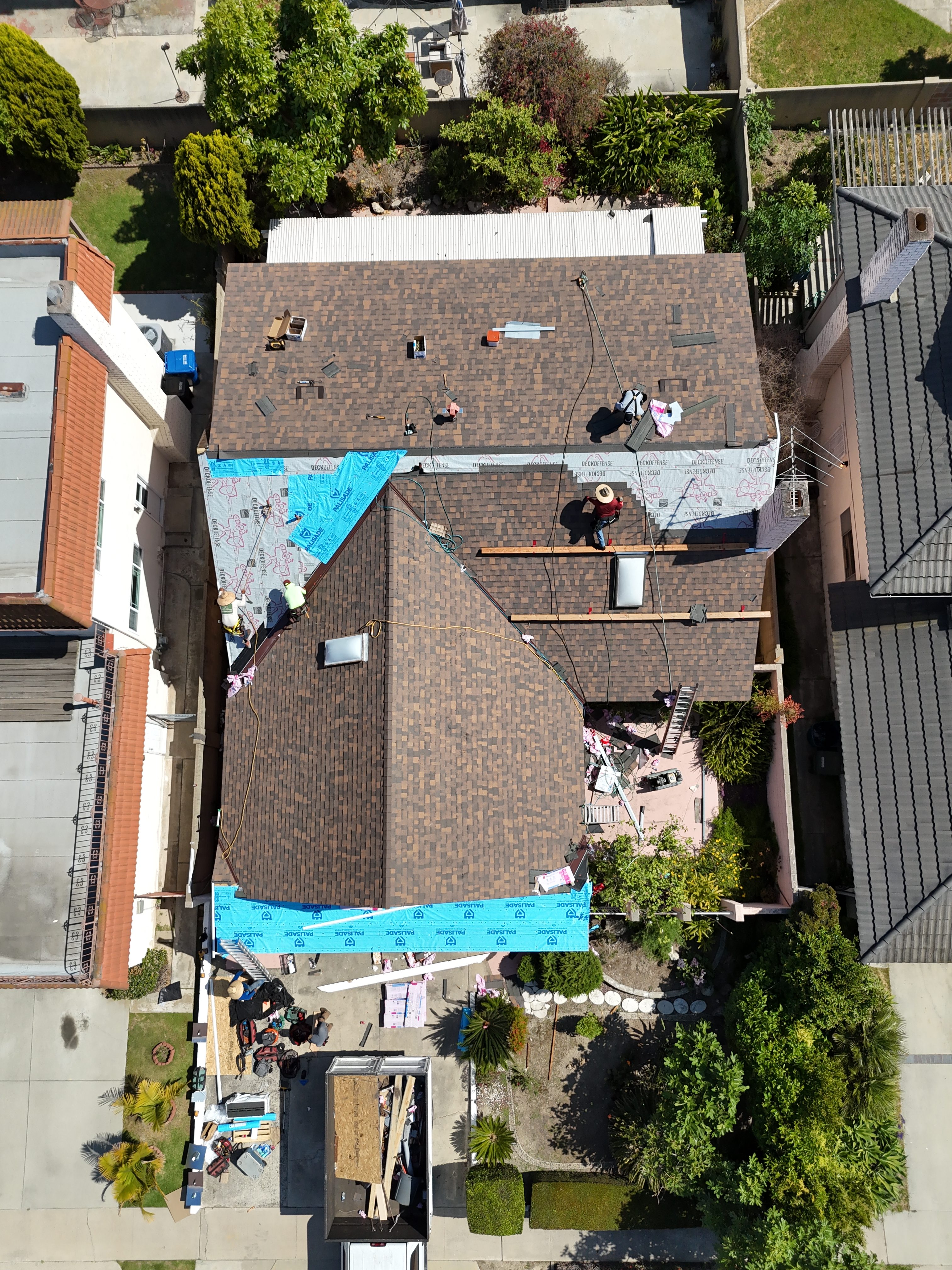
A roof does much more than protect a home from rain, wind, and outdoor conditions. It also influences indoor comfort, energy consumption, and the overall performance of a residential property. Therefore, choosing Energy-efficient roofing systems in Los Angeles CA can be an important consideration for homeowners who want a roof that combines protection, durability, and improved thermal performance.
Los Angeles experiences plenty of sunshine and warm weather throughout much of the year. Consequently, residential roofs can receive substantial solar exposure. As the roof surface heats up, some of that heat can transfer into attic spaces and eventually affect indoor temperatures.
However, an energy-efficient roofing system is not simply about choosing one particular roofing material. Instead, it involves multiple components working together. Roofing materials, insulation, ventilation, roof color, reflectivity, installation quality, and the home’s overall design can all influence energy performance.
Furthermore, every property is different. Therefore, homeowners should consider the existing roof condition, building design, attic configuration, and long-term maintenance requirements before selecting an energy-efficient roofing solution.
What Are Energy-Efficient Roofing Systems?
Energy-efficient roofing systems are designed to help manage heat transfer and solar energy while protecting the structure from outdoor conditions.
Depending on the roofing design, an energy-conscious system may incorporate reflective materials, appropriate insulation, effective ventilation, durable roof coverings, and carefully planned installation.
For example, a roof with strong solar reflectance may reflect a portion of the sun’s energy instead of absorbing as much heat. Likewise, suitable insulation can help reduce heat movement between the roof or attic and the living areas below.
Therefore, energy efficiency should be viewed as a complete roofing strategy rather than a single product.
Why Energy-Efficient Roofing Matters in Los Angeles
The Los Angeles climate makes roof heat management particularly relevant. During sunny periods, roof surfaces can become significantly warmer than the surrounding air.
As a result, homes with poorly performing roofing systems may experience increased heat transfer into attic spaces and living areas.
An appropriately designed roofing system can help support:
- Improved indoor comfort
- Better temperature consistency
- Reduced heat transfer
- More efficient HVAC operation
- Improved attic conditions
- Long-term roof performance
- Better overall home efficiency
However, energy-efficient roofing does not guarantee a specific reduction in utility bills. Household size, HVAC equipment, windows, insulation, air leakage, thermostat settings, weather, and energy habits also influence consumption.
Consequently, roofing should be considered as one part of a broader home-efficiency strategy.

Reflective Roofing Can Help Manage Solar Heat
One important characteristic of some energy-conscious roofing systems is solar reflectance.
A highly reflective roof surface can reflect more solar energy away from the building instead of absorbing it. Therefore, the roof may experience less heat buildup under strong sunlight.
This can be especially relevant in sunny regions such as Los Angeles.
However, homeowners should not choose roofing materials based only on reflectivity. Durability, appearance, compatibility with the existing structure, maintenance, installation requirements, and local conditions should also be considered.
As a result, the most suitable roofing system is the one that balances multiple performance requirements.
Roofing and Insulation Work Together
A roof covering alone cannot solve every thermal problem. Instead, roofing performance often depends on how the roof interacts with insulation and ventilation.
For example, appropriate insulation can help slow heat transfer between the roof assembly and the interior. Meanwhile, suitable ventilation can help manage heat and moisture within attic spaces.
Therefore, homeowners should evaluate these components together.
A practical roof-performance strategy may involve:
| Component | Potential Role |
| Reflective roofing | Helps manage solar heat |
| Insulation | Reduces heat transfer |
| Ventilation | Helps manage attic heat and moisture |
| Quality installation | Supports system performance |
| Roof maintenance | Helps preserve performance |
| Proper flashing | Helps protect vulnerable areas |
| Durable materials | Supports longer service life |
Consequently, improving one component while ignoring the others may not provide the expected result.
How Roof Ventilation Supports Efficiency
Ventilation is another important consideration for many roofing systems.
During hot weather, attic spaces can accumulate heat. If airflow is inadequate, that heat may remain trapped for longer periods.
Therefore, properly designed ventilation can help manage attic conditions.
Ventilation strategies can vary depending on the roof configuration and building design. However, the goal is generally to support appropriate airflow while also managing moisture.
Furthermore, ventilation should be evaluated alongside insulation. Poorly coordinated insulation and ventilation can create problems instead of improving roof performance.
For that reason, homeowners should have the existing roof assembly evaluated before making major changes.
The Importance of Proper Roof Installation
Even high-quality roofing materials can perform poorly when they are improperly installed.
For example, gaps, inadequate flashing, poor sealing, incorrect fastening, or other installation problems can affect both durability and performance.
Therefore, workmanship matters just as much as material selection.
A properly installed roof can help protect the structure while allowing the selected roofing components to perform as intended.
Moreover, professional installation can help identify existing conditions that may need attention before new roofing materials are installed.
When Roof Repair Should Come First
An energy-efficient roof should also be a structurally sound roof.
If the existing system has leaks, damaged materials, deteriorated flashing, or other issues, those problems should be evaluated before focusing primarily on energy efficiency.
Otherwise, homeowners could invest in efficiency improvements while leaving fundamental roofing problems unresolved.
If you are experiencing roofing damage in Los Angeles, you can explore Family Roofing’s roof repair services to address potential roofing concerns.
Furthermore, timely repairs may help prevent minor problems from developing into more complicated damage.
When Roof Replacement May Be the Better Option
Sometimes a roof has reached a condition where repeated repairs are no longer the most practical approach.
For example, an aging roofing system may have widespread deterioration, recurring leaks, or multiple areas requiring attention.
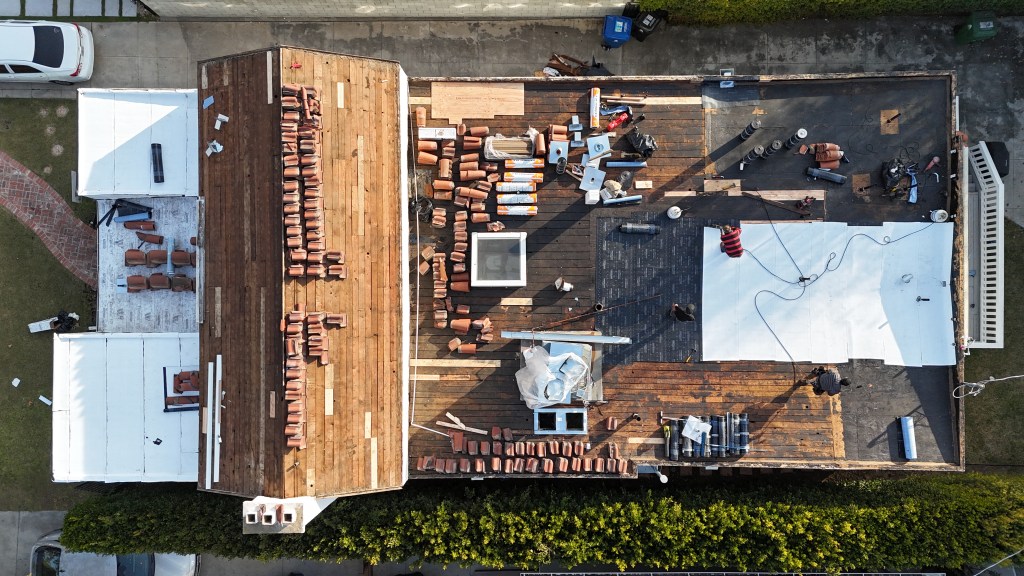
In such circumstances, replacement may provide an opportunity to build a more modern roofing system from the beginning.
A replacement project can also allow homeowners to evaluate insulation, ventilation, roof materials, and other components as part of one coordinated plan.
Homeowners considering a complete roofing upgrade can learn about roof replacement services from Family Roofing.
However, replacement should be based on the actual condition of the roof and the homeowner’s long-term goals.
Choosing Roofing Materials for Energy Performance
There are many roofing materials available, and each has different characteristics.
Depending on the home and design, homeowners may consider materials such as:
- Asphalt roofing
- Metal roofing
- Reflective roof products
- Tile roofing
- Other specialized roofing materials
However, the most energy-efficient choice is not automatically the same for every property.
For example, the roof’s slope, existing structure, attic configuration, climate exposure, and aesthetic requirements can influence which materials are appropriate.
Therefore, material selection should happen after the roofing system has been properly evaluated.
Roof Color Can Influence Heat Absorption
Roof color can also affect how much solar energy a roof absorbs.
Generally, lighter and more reflective surfaces can absorb less solar radiation than darker surfaces. Consequently, roof color may be one factor to consider when designing a roofing system for a sunny climate.
However, color should not be considered independently.
Roof material, coating, insulation, ventilation, roof design, and installation quality all contribute to overall performance.
As a result, homeowners should look at the complete roofing system rather than focusing on one feature.
Maintenance Helps Preserve Roofing Performance
Even an energy-efficient roof requires maintenance.
Over time, roofing materials can experience exposure to sunlight, wind, debris, moisture, and normal wear. Therefore, periodic inspections and timely maintenance can help homeowners identify developing concerns.
Useful maintenance practices may include:
- Checking visible roofing materials
- Inspecting flashing
- Looking for signs of water intrusion
- Checking roof drainage
- Monitoring attic conditions
- Addressing damaged materials
- Removing appropriate debris
- Scheduling professional inspections when needed
Furthermore, maintenance can help extend the useful performance of the roofing system.
Frequently Asked Questions About Energy-Efficient Roofing
What makes a roofing system energy efficient?
Several factors can contribute to energy efficiency, including solar reflectance, insulation, ventilation, roofing materials, installation quality, and overall roof design.
Therefore, energy efficiency usually depends on the entire system rather than one individual component.
Can an energy-efficient roof reduce cooling costs?
An appropriately designed roofing system may help reduce heat transfer and support more efficient cooling. However, actual energy savings vary depending on the home’s insulation, HVAC equipment, windows, air leakage, occupancy, thermostat settings, and other factors.
Are light-colored roofs more energy efficient?
Light-colored or highly reflective roofing surfaces can reflect more solar energy than some darker surfaces. However, roof color is only one factor in overall energy performance.
Does insulation matter if I have a new roof?
Yes. A new roof does not automatically replace the need for appropriate insulation. Roofing and insulation perform different functions and can work together to improve the home’s overall thermal performance.
How does roof ventilation help?
Roof ventilation can help manage heat and moisture in suitable attic and roof assemblies. However, ventilation requirements vary depending on the property’s construction and roof design.
Should I repair or replace my roof?
That depends on the roof’s age, condition, extent of damage, maintenance history, and long-term goals. A professional assessment can help determine whether targeted repairs or replacement is more appropriate.
How long can an energy-efficient roof last?
Roof lifespan depends on the roofing material, installation quality, weather exposure, maintenance, ventilation, and other factors. Therefore, there is no universal lifespan for every energy-efficient roofing system.
Can I make my existing roof more energy efficient?
Potentially. Improvements may involve insulation, ventilation, reflective treatments, maintenance, or other roofing upgrades. However, the appropriate approach depends on the existing roof assembly and condition.

A Practical Energy-Efficient Roofing Checklist
Before investing in a roofing upgrade, homeowners can review the following:
| Consideration | Question to Ask |
| Roof condition | Does the existing roof have damage? |
| Insulation | Is the attic adequately insulated? |
| Ventilation | Is airflow appropriate for the roof assembly? |
| Materials | Are the selected materials suitable for the climate? |
| Reflectivity | Can solar heat absorption be reduced? |
| Installation | Will the system be installed correctly? |
| Maintenance | What maintenance will the roof require? |
| Long-term plans | Should the roof be repaired or replaced? |
This checklist can help homeowners organize their priorities before speaking with a roofing professional.
Why Choose Family Roofing in Los Angeles?
When searching for Energy-efficient roofing systems in Los Angeles CA, homeowners should look for a roofing company that can consider the entire roof rather than focusing on a single material.
Family Roofing provides roofing services designed to address different residential roofing needs.
Homeowners can explore the company’s complete roofing services to learn more about available solutions.
Furthermore, the company provides roofing information and resources for homeowners through the Family Roofing website.
The goal is to create a roofing strategy that addresses the property’s specific requirements while considering durability, protection, maintenance, and performance.
Energy Efficiency Is About More Than the Roof
Although the roof can have a significant influence on home comfort, it is only one part of the building envelope.
Windows, doors, walls, insulation, HVAC equipment, ventilation, and air sealing can also affect indoor temperature and energy consumption.
Therefore, homeowners should consider roofing improvements as part of a broader strategy.
For example, improving roof performance while leaving major air leaks or inadequate insulation unaddressed may limit the overall benefit.
Consequently, a whole-home approach can provide a better understanding of where improvements may be most useful.
Prepare Your Home for Hot Weather
Los Angeles homeowners can experience significant heat exposure during warmer periods. Therefore, preparing the roof before extreme conditions can be a practical approach to property maintenance.
A roof inspection can help identify damaged materials, aging components, ventilation concerns, or other conditions that may deserve attention.
Additionally, addressing problems earlier can potentially reduce the chance of more extensive damage later.
Family Roofing also provides seasonal opportunities for homeowners. You can check the company’s fall roofing promotion for current information about available offers.
Think About Long-Term Roofing Value
The cheapest roofing option is not necessarily the most economical over the long term.
Instead, homeowners should consider the complete value of a roofing system, including durability, maintenance, installation, energy performance, appearance, and expected service life.
For example, a durable roofing material with appropriate installation may provide greater long-term value than a lower-cost option that requires frequent repairs.
Therefore, homeowners should evaluate roofing decisions based on both immediate needs and future expectations.

A Better Roofing System Starts With Professional Planning
Choosing Energy-efficient roofing systems in Los Angeles CA involves more than selecting a product from a catalog.
Instead, homeowners should consider how the roof interacts with insulation, ventilation, attic conditions, weather exposure, and the home’s overall design.
Furthermore, the roof should be inspected for existing problems before energy-efficiency upgrades are planned.
By taking a complete approach, homeowners can make more informed decisions about repairs, replacement, insulation, ventilation, and roofing materials.
Contact Family Roofing Today
If you are considering Energy-efficient roofing systems in Los Angeles CA, Family Roofing can help you explore your roofing needs and determine appropriate next steps.
Whether your property requires repairs, replacement, maintenance, or a broader roofing evaluation, starting with the actual condition of the roof can make the decision-making process easier.
Moreover, a properly planned roofing system can contribute to protection, comfort, durability, and improved thermal performance.
Do not wait until a small roofing concern becomes a larger problem. Instead, take a proactive approach to your home’s roof and consider how the right combination of materials, insulation, ventilation, installation, and maintenance can support long-term performance.
When you are ready to discuss your roofing project, contact Family Roofing and take the next step toward a stronger, more efficient roofing system for your Los Angeles, CA home.
You must be logged in to post a comment.