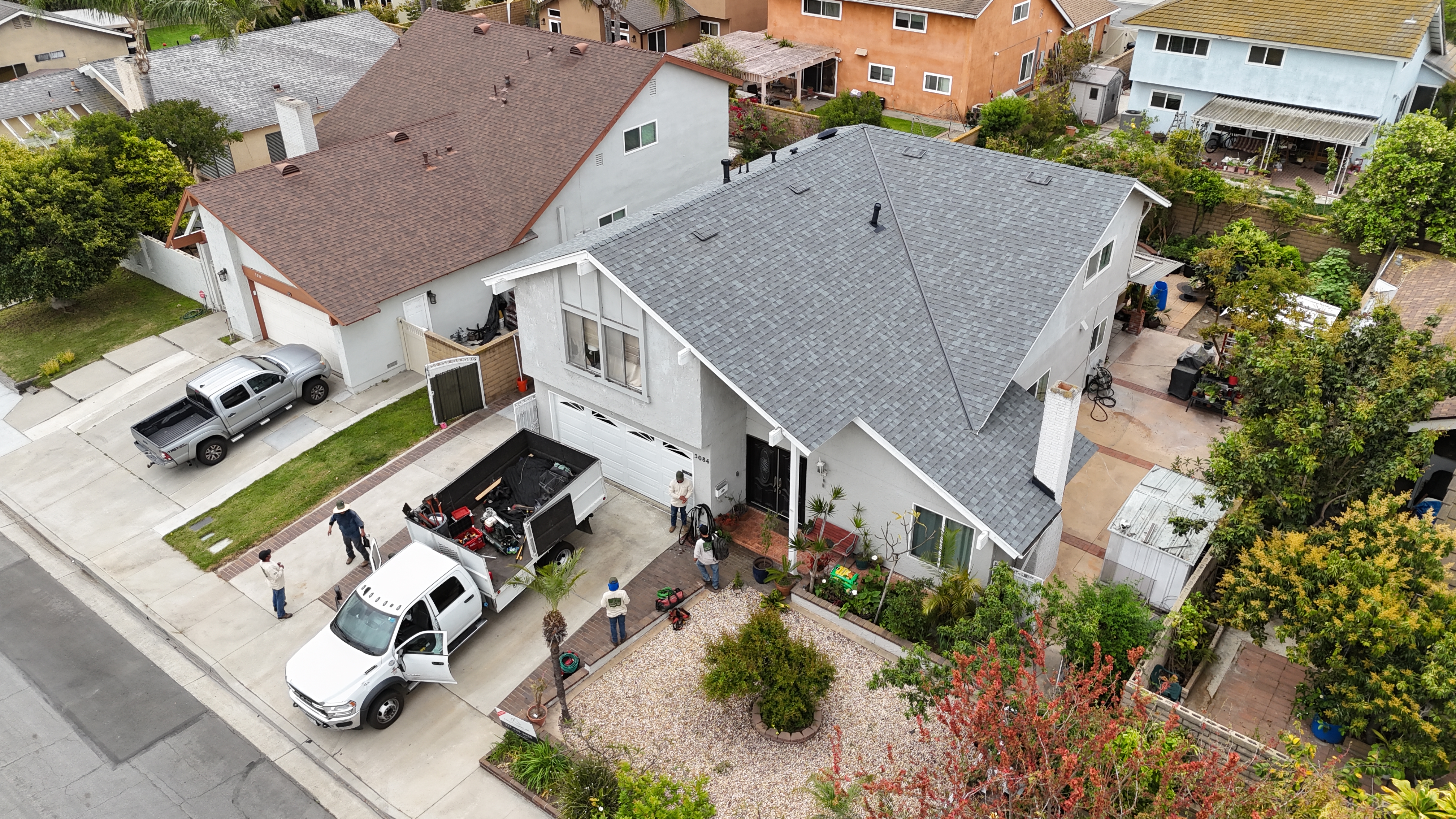
A flat roof can be a practical and attractive roofing solution for residential and commercial properties. However, even a well-installed flat roofing system can develop leaks, drainage problems, cracks, or surface deterioration over time. In Los Angeles, changing weather conditions, intense sunshine, seasonal rain, and accumulated debris can gradually affect a roof’s performance. Therefore, hiring experienced flat roof repair experts in Los Angeles, CA is essential when you want to protect your property and prevent minor roofing problems from becoming expensive repairs.
Although flat roofs often appear simple, they require specialized attention. Unlike steep-sloped roofs, flat roofing systems depend heavily on effective drainage, durable waterproofing membranes, and properly sealed seams. Consequently, even a small opening or damaged section can allow water to reach the underlying roof structure.
Family Roofing helps property owners explore roofing solutions suited to their repair and maintenance needs. Whether you have noticed a water stain on the ceiling, standing water on the roof, loose flashing, or visible membrane damage, addressing the issue promptly can help reduce the risk of further deterioration.
Furthermore, understanding common flat roof problems, repair methods, costs, and maintenance practices will help you make a more informed decision. With the right inspection and a suitable repair plan, you can improve roof performance while potentially extending the life of your existing roofing system.
Why Flat Roofs Need Specialized Repair Services
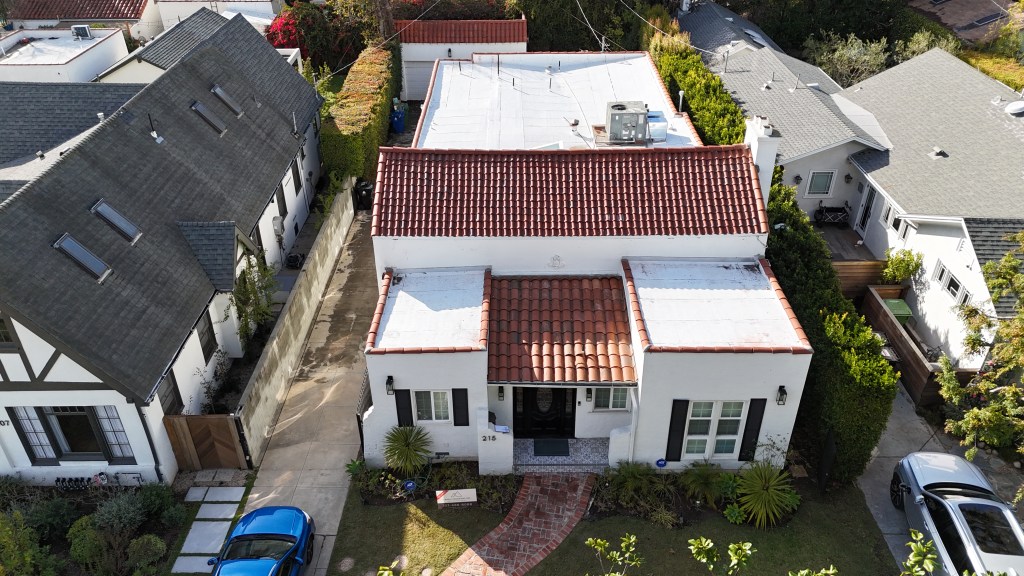
Flat roofs are common on commercial buildings, apartment properties, modern homes, and additions. Nevertheless, their construction requires careful attention to drainage and waterproofing because water does not run off as quickly as it does on a steep roof.
As a result, certain problems can develop if the roofing system becomes damaged or poorly maintained.
For example, deteriorated seams may allow moisture to enter the roof assembly. Similarly, blocked drains can cause water to collect on the surface, increasing the risk of leaks and material deterioration.
Professional repair services can help identify these issues before they cause more extensive damage.
- Leak detection: A roofing professional can investigate visible water stains and inspect potential entry points.
- Membrane repair: Damaged sections of compatible roofing membranes may be patched or repaired when the surrounding material remains serviceable.
- Flashing repairs: Loose or deteriorated flashing around roof edges, vents, and other penetrations can create opportunities for water intrusion.
- Drainage improvements: Clearing suitable drainage pathways and identifying drainage defects can help reduce persistent standing water.
- Preventive maintenance: Regular inspections can reveal developing problems before they require more extensive work.
Therefore, choosing a qualified contractor is about more than sealing a visible crack. It involves understanding how the roofing system works and identifying the underlying cause of the damage.
Common Flat Roof Problems in Los Angeles, CA
Los Angeles properties experience a range of environmental conditions throughout the year. Although the region’s climate is relatively dry for much of the year, intense sunlight, temperature fluctuations, and seasonal rainfall can still affect roofing materials.
Understanding the most common problems can help property owners recognize when an inspection may be necessary.
Roof Leaks and Water Intrusion
A leak is one of the most recognizable signs of a roofing problem. You may notice brown ceiling stains, peeling paint, damp insulation, or moisture near roof penetrations.
However, the location of an interior stain does not always indicate the exact point where water enters. In fact, moisture can travel along roof components before becoming visible indoors.
Consequently, simply sealing the area directly above a stain may not solve the underlying issue. A proper inspection should identify the likely source of the leak and determine whether the membrane, flashing, drainage system, or another component requires attention.
Ponding Water
Flat roofs are generally designed with drainage provisions, even when they appear nearly level. Nevertheless, blocked drains, inadequate slopes, structural deflection, or other drainage problems can cause water to remain on the surface.
Although brief periods of standing water may occur on some roofing systems, persistent ponding deserves attention. Over time, it can contribute to material deterioration and place additional stress on affected areas.
Therefore, a roofing professional should evaluate both the roof surface and the drainage system before recommending a repair.
Cracked or Deteriorated Roofing Membranes
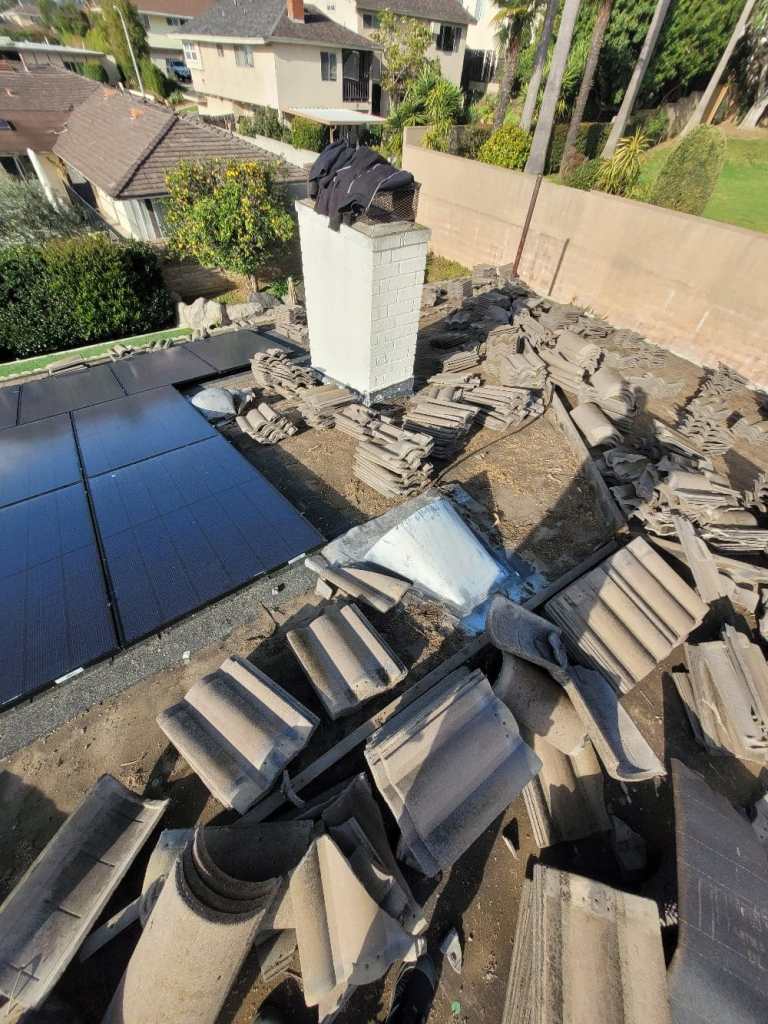
Many flat roofs use protective membranes designed to limit water penetration. Depending on the system, these materials may include modified bitumen, single-ply membranes, or other approved roofing products.
Over time, however, exposure to sunlight, movement, aging, and improper installation can contribute to cracks, splits, punctures, or weakened seams.
Fortunately, localized damage may be repairable when the surrounding material remains in good condition. On the other hand, widespread deterioration may indicate that a more extensive repair or replacement should be considered.
Damaged Flashing and Roof Seams
Flashing protects vulnerable transitions around roof edges, walls, vents, skylights, and other penetrations. Similarly, properly sealed seams help maintain the integrity of many membrane roofing systems.
When flashing loosens or seams separate, water can enter the roof assembly. Furthermore, previous repairs that use incompatible materials may fail to provide a durable seal.
For this reason, flat roof repair experts should assess the affected details and select repair materials compatible with the existing system.
Blistering and Surface Damage
Some roofing systems develop blisters, bubbles, or localized surface irregularities. These conditions can result from trapped moisture, installation problems, or material deterioration, depending on the roofing system.
However, not every blister requires the same repair method. Therefore, avoid puncturing or cutting damaged areas without professional guidance, since doing so may worsen the problem.
How Flat Roof Repair Experts Diagnose Roofing Problems
Effective repairs begin with an accurate assessment. Although a visible leak may appear straightforward, its cause can involve multiple roof components.
A professional inspection typically considers several important areas.
| Inspection Area | What the Contractor Evaluates | Why It Matters |
| Roof membrane | Cracks, punctures, splits, and deteriorated sections | Identifies potential openings in the waterproofing layer |
| Seams and joints | Separation, weak bonding, and failed seals | Helps locate vulnerable connection points |
| Flashing | Loose edges, damaged seals, and deterioration | Protects transitions around roof penetrations |
| Drainage system | Blocked drains, water accumulation, and drainage defects | Helps reduce persistent ponding |
| Roof penetrations | Vents, pipes, skylights, and equipment connections | Identifies common locations for water entry |
| Interior areas | Stains, damp insulation, and signs of moisture | Provides clues about the extent of water intrusion |
| Previous repairs | Failed patches and incompatible materials | Helps prevent repeated repair problems |
After the inspection, the contractor can explain the findings and recommend a suitable solution. Additionally, the assessment may reveal whether the problem is isolated or part of a broader roofing issue.
For property owners seeking professional assistance, Family Roofing provides information about its roof repair services in Los Angeles, CA. Reviewing the available service information can help you understand the next steps when your roof needs attention.
Flat Roof Repair Methods: Choosing the Right Solution
Not every flat roof requires the same repair approach. Instead, the best method depends on the roofing material, the location of the damage, the roof’s age, and the condition of the surrounding surface.
Membrane Patching
When a membrane has a localized puncture or tear, a compatible patch may provide an effective repair. First, the affected area must be assessed and prepared according to the roofing system’s requirements.
Next, the appropriate repair material is installed using the manufacturer’s recommended procedures. However, patching is generally most appropriate when the surrounding membrane remains sound.
If the roof contains widespread deterioration, repeated patches may provide only a temporary solution.
Seam and Flashing Repairs
Loose seams and damaged flashing can allow water to enter at vulnerable transitions. Therefore, repairs may involve restoring the affected connection, replacing damaged flashing, or resealing compatible components.
Nevertheless, the repair method should account for the existing roofing material and the source of the failure. Simply applying a generic sealant over an entire joint may not provide a reliable long-term solution.
Drainage Corrections
When ponding water is associated with blocked drains or other correctable drainage defects, resolving those problems may improve roof performance.
However, if the underlying issue involves insufficient slope or structural movement, clearing a drain alone may not resolve the problem. Consequently, the contractor should identify the cause before recommending drainage improvements.
Partial Roof Restoration
Sometimes, a roof has several damaged areas while the remaining system is still in serviceable condition. In such cases, targeted repairs or a suitable restoration approach may be worth evaluating.
However, restoration is not appropriate for every roofing system. The existing membrane, moisture conditions, roof assembly, and manufacturer’s requirements should all be considered before work begins.
How Much Does Flat Roof Repair Cost in Los Angeles, CA?
The cost of flat roof repair depends on the nature and extent of the damage. Consequently, a small patch and a repair involving extensive membrane deterioration will not have the same price.
Because properties differ in size, materials, accessibility, and repair requirements, an on-site assessment is generally the best way to obtain a meaningful estimate.
The following table outlines common cost factors rather than fixed market prices.
| Cost Factor | Potential Effect on Price | Explanation |
| Size of damaged area | Larger areas may cost more | Additional materials and labor may be required |
| Roofing material | Varies by system | Different membranes and roof assemblies require different repair methods |
| Roof accessibility | May increase labor costs | Restricted access or difficult working conditions can complicate the job |
| Flashing and seam damage | Depends on the extent of deterioration | Repairs may involve several roof transitions |
| Drainage problems | Varies by underlying cause | Simple clearing differs from more extensive drainage corrections |
| Moisture beneath the roof | Can increase project scope | Wet insulation or damaged underlying materials may require additional work |
| Emergency scheduling | May affect pricing | Urgent service outside normal scheduling may carry additional charges |
For example, a localized puncture on an otherwise healthy membrane may require limited work. Conversely, multiple leaks combined with wet insulation and failing seams can demand a broader repair plan.
Therefore, request a written estimate that identifies the affected areas, proposed materials, labor, and any exclusions. In addition, ask whether concealed damage could change the final price once the roofing assembly is opened.
Flat Roof Repair vs. Roof Replacement
One of the most important decisions property owners face is whether to repair an existing flat roof or replace it entirely. Although repairs can be cost-effective, they are not always the best long-term option.
The correct choice depends on the roof’s condition, age, history of leaks, and remaining service life.
| Consideration | Flat Roof Repair | Roof Replacement |
| Extent of damage | Often suitable for localized problems | May be more appropriate for widespread deterioration |
| Initial investment | Usually lower for limited damage | Generally involves a larger upfront expense |
| Project duration | May be shorter for straightforward repairs | Often requires a more extensive work schedule |
| Existing roof condition | Best when most components remain serviceable | Worth considering when major components are failing |
| Long-term planning | Can extend useful service life | Provides an opportunity to install a new roofing system |
| Underlying moisture | Suitable only when damage can be addressed appropriately | May be necessary when significant deterioration affects the assembly |
However, replacement should not be recommended automatically just because a roof has developed a leak. Likewise, repeated repairs may not be economical if the roof is approaching the end of its service life.
For that reason, compare the estimated repair cost, the roof’s overall condition, and the likely future maintenance needs before making a decision. If a replacement appears more appropriate, review Family Roofing’s roof replacement services to explore the next steps.

Preventive Maintenance Tips for Flat Roofs
Routine maintenance can help identify developing roofing problems and reduce the likelihood of unexpected repairs. Although maintenance cannot prevent every type of damage, it can make it easier to address small issues before they become more serious.
Schedule Regular Roof Inspections
First, arrange periodic inspections based on the roofing system, property conditions, and professional recommendations. Additionally, consider an inspection after significant weather events if the roof may have been affected.
A qualified professional can check seams, flashing, drains, and other vulnerable components.
Keep Drainage Areas Clear
Leaves, dirt, branches, and other debris can obstruct drainage pathways. Therefore, arrange suitable cleaning and maintenance to help water flow toward the intended drainage points.
However, roof access can be hazardous, so avoid climbing onto a roof without appropriate training and safety equipment.
Address Minor Damage Promptly
Loose flashing, small punctures, and deteriorated seals may become more serious if ignored. Consequently, report visible damage as soon as possible rather than waiting for a major leak to develop.
Early assessment can help determine whether a localized repair is sufficient.
Maintain Records of Repairs
Keep records of inspections, previous repairs, materials used, and recurring leaks. Furthermore, photographs can help document changes in the roof’s condition over time.
These records can assist a contractor in identifying repeated failure points and deciding whether further investigation is necessary.
Avoid Unqualified DIY Repairs
Although do-it-yourself fixes may appear inexpensive, using incompatible materials or applying sealant incorrectly can make a roofing problem worse.
Additionally, working at height presents a serious safety risk. Therefore, leave complex repairs and hazardous roof access to appropriately qualified professionals.
Why Choose Family Roofing for Flat Roof Repair?
When selecting a roofing contractor, property owners should prioritize clear communication, relevant experience, appropriate safety practices, and a repair plan that addresses the actual problem.
Family Roofing provides an online starting point for property owners researching roofing services in Los Angeles. You can explore the company’s roofing services to learn more about its service offerings.
Moreover, reviewing the company’s official website can help you find additional information before discussing your specific roofing needs.
Before scheduling a repair, consider asking these questions:
- What is causing the leak or visible damage?
- Can the existing roofing system be repaired effectively?
- Which materials will be used, and are they compatible with the existing roof?
- Will the repair include any damaged flashing or drainage components?
- Does the estimate include labor, materials, cleanup, and disposal?
- Could concealed moisture or structural damage affect the final cost?
- What maintenance steps are recommended after the repair?
These questions encourage a clear discussion about the proposed work. Consequently, you can compare estimates more effectively and understand what to expect throughout the project.
Additionally, if you are exploring available seasonal offers, check Family Roofing’s fall roofing promotion for current details and eligibility. Be sure to confirm the promotion’s terms and availability directly before making a decision.
When Should You Contact Flat Roof Repair Experts?
Certain warning signs indicate that a roof should be inspected promptly. For example, active leaks, rapidly spreading ceiling stains, sagging roof areas, or water entering near electrical equipment can require urgent attention.
If water is entering the property, protect people and belongings first. Where safe, move valuables away from the affected area and avoid contact with wet electrical fixtures. If there is an immediate electrical or structural hazard, keep clear and contact the appropriate emergency professional.
Next, arrange a qualified roofing assessment to identify the source of the problem. Although a temporary measure may reduce immediate water entry in some situations, the underlying damage still needs to be evaluated.
For less urgent issues, such as aging sealant, small areas of membrane damage, or recurring ponding, scheduling an inspection before the next rainy period may help you plan repairs


You must be logged in to post a comment.