A well-maintained roof is essential for protecting your home, preserving its structural condition, and maintaining indoor comfort. However, many homeowners overlook routine roof maintenance until they notice a leak, damaged shingles, or water stains on the ceiling. By that point, a relatively minor issue may already require more extensive attention. Therefore, investing in Roof Maintenance Services in Los Angeles, CA can help homeowners identify developing problems, maintain roofing materials, and plan repairs before damage becomes more disruptive.
Los Angeles properties experience prolonged sunshine, seasonal rainfall, temperature changes, and occasional strong winds. Consequently, roofing materials can gradually deteriorate, sealants can weaken, and debris can accumulate in drainage areas. Moreover, different roofing systems respond differently to weather exposure, so each roof requires maintenance suited to its material, age, and design.
Family Roofing provides a starting point for homeowners who want to explore professional roofing solutions. Whether your home has asphalt shingles, tile roofing, or another roofing system, regular maintenance can help you understand its condition and identify areas that deserve attention.
Instead of waiting for visible damage to appear, homeowners can take a proactive approach by scheduling inspections, addressing minor defects, and keeping drainage systems clear. To learn more about available options, explore Family Roofing’s professional roofing services and discover how a consistent maintenance plan can help protect your property.
Why Roof Maintenance Is Important for Los Angeles Homes
Your roof serves as a protective barrier between your home and the outside environment. It helps direct rainwater away from vulnerable areas while protecting the interior from sunlight, wind, and other environmental conditions. However, even durable roofing materials can experience wear over time.
For example, prolonged sun exposure may contribute to the aging of certain roofing materials and sealants. Similarly, seasonal rain can reveal weaknesses around flashing, roof valleys, vents, and other penetrations. Consequently, maintenance is important even when a roof appears to be in good condition from the ground.
Regular roof maintenance can help homeowners:
- Identify damaged or displaced roofing materials before additional deterioration occurs.
- Detect potential leak sources around flashing, vents, and roof intersections.
- Reduce the accumulation of leaves and debris in gutters and drainage areas.
- Monitor the condition of sealants and other vulnerable components.
- Plan repairs according to the roof’s actual condition.
- Make more informed decisions about future roof replacement.
Furthermore, maintenance can provide a clearer understanding of the roof’s overall condition. Although routine care cannot eliminate every roofing problem, it can help identify warning signs before they become more complicated.
For Los Angeles homeowners, a practical maintenance schedule is especially valuable because roofs must withstand both prolonged sun exposure and periods of seasonal rainfall.
What Do Professional Roof Maintenance Services Include?
Roof maintenance involves more than checking for missing shingles. Instead, it may include a combination of visual inspections, drainage checks, material assessments, and recommendations for corrective work.
The exact service depends on the roof’s construction, age, accessibility, and condition. Nevertheless, several common maintenance tasks can help homeowners monitor important roofing components.
| Maintenance task | What it involves | Why it matters |
| Visual roof inspection | Checking accessible roofing surfaces for visible deterioration | Helps identify potential defects |
| Shingle assessment | Looking for curling, cracking, missing, or displaced shingles | Helps locate vulnerable areas |
| Tile roof assessment | Checking for visibly broken or displaced tiles | Helps maintain the protective roofing surface |
| Flashing inspection | Examining areas around vents, chimneys, and roof intersections | Helps identify possible water entry points |
| Gutter and drainage checks | Looking for accumulated leaves and visible obstructions | Supports proper water drainage |
| Sealant assessment | Checking accessible sealant joints for visible deterioration | Helps identify areas that may need attention |
| Interior moisture checks | Looking for ceiling stains or signs of water intrusion | Can reveal potential roof-related problems |
| Maintenance recommendations | Explaining identified concerns and possible next steps | Helps homeowners prioritize work |
However, not every maintenance appointment includes every task. Therefore, homeowners should ask which inspection and maintenance activities are included in the proposed service.
Additionally, certain defects may require a separate repair estimate. For example, replacing damaged flashing or correcting a persistent leak may go beyond routine maintenance. Consequently, understanding the difference between inspection, maintenance, and repair helps you plan your roofing budget more effectively.

Common Roofing Problems That Routine Maintenance Can Help Identify
Roofing problems often begin in small areas. However, if the underlying issue remains unresolved, the damage may gradually spread or affect other building components.
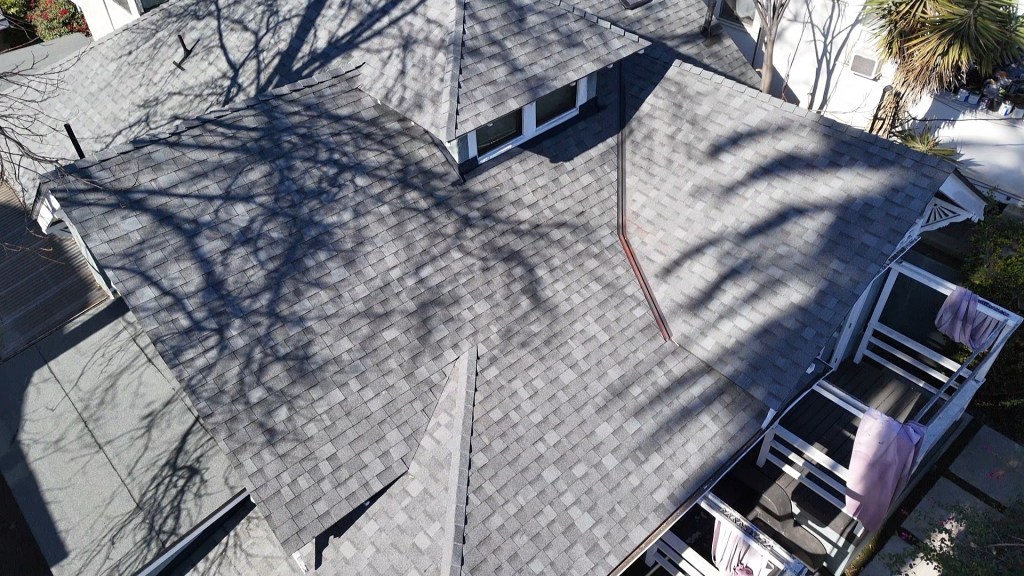
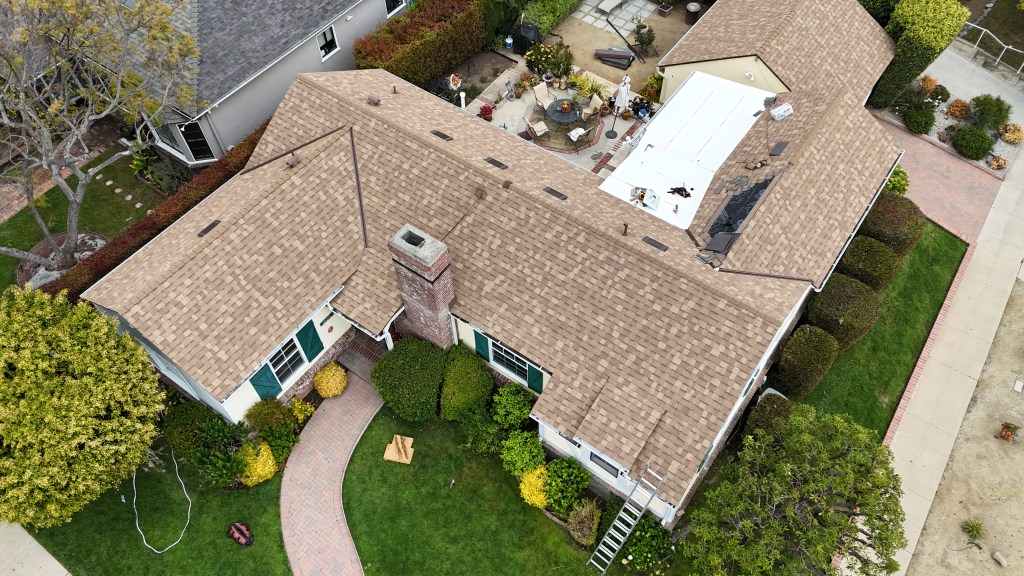
Damaged or missing shingles: Asphalt shingles can crack, curl, loosen, or become displaced. Therefore, periodic inspections can help identify areas that may need repair.
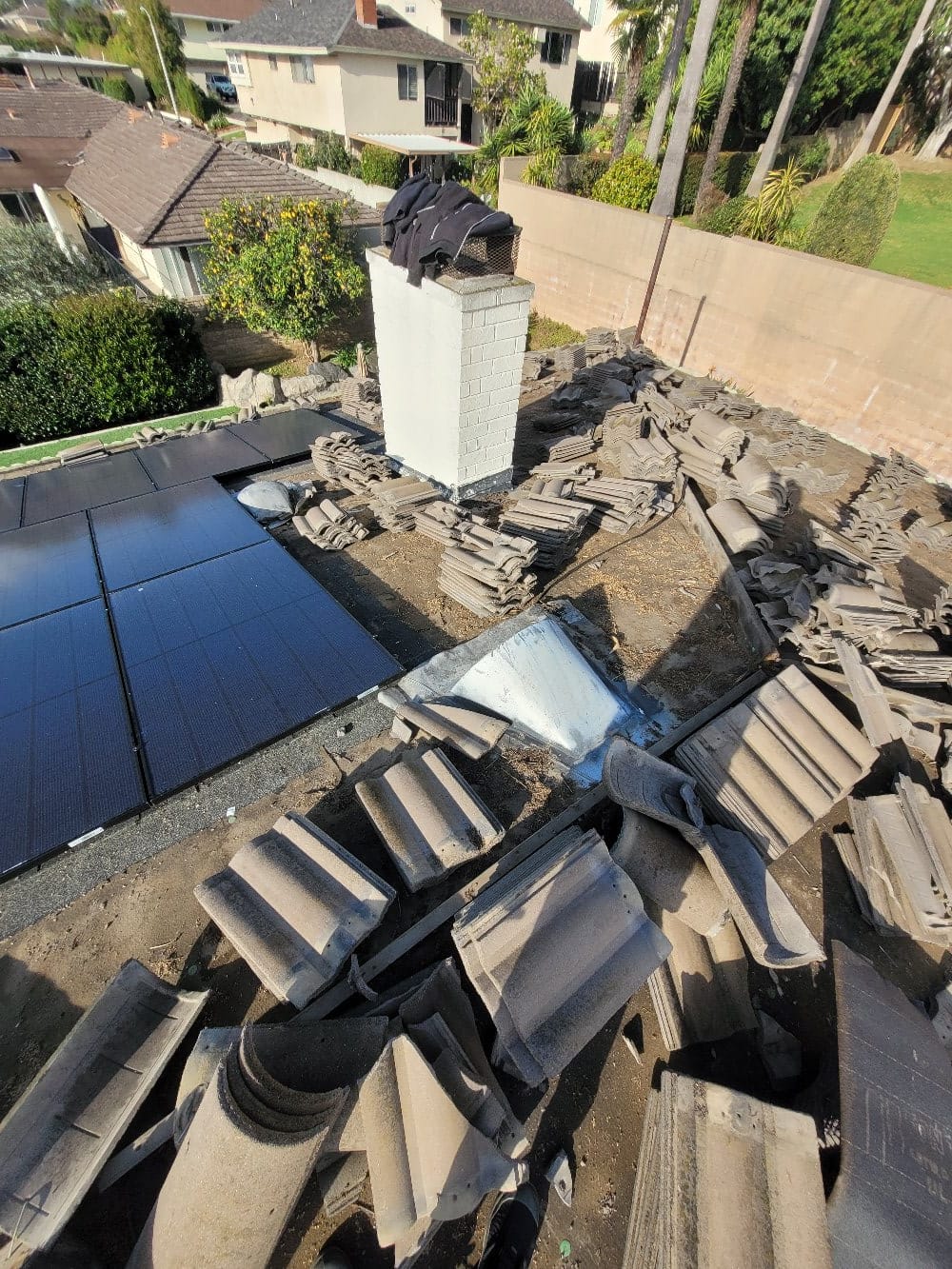
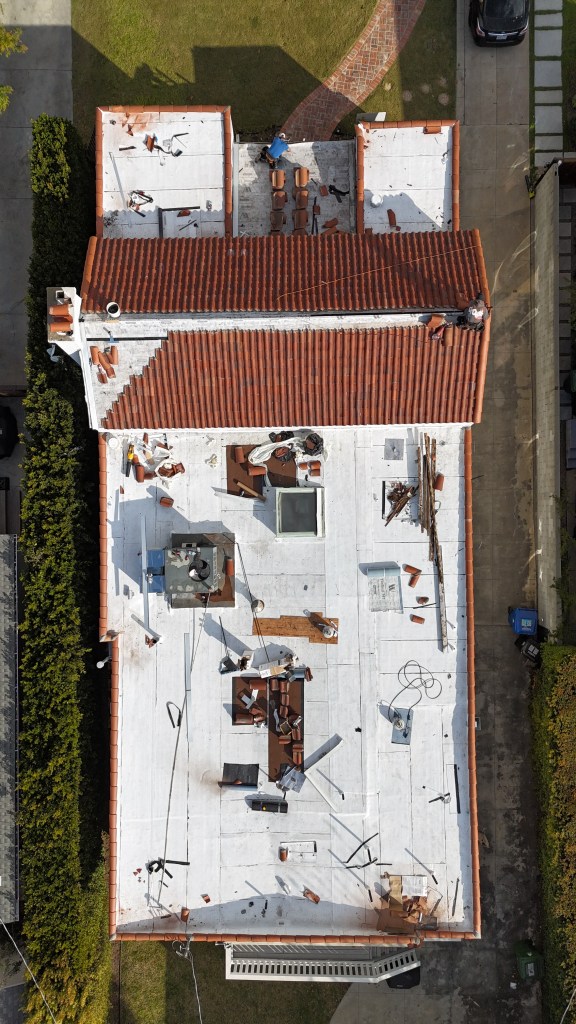
Cracked or displaced roof tiles: Tile roofing can be durable, but individual tiles may become damaged by impact, weather exposure, or improper foot traffic. Moreover, a damaged tile may expose vulnerable components underneath.
Deteriorated flashing: Flashing helps direct water away from roof penetrations and intersections. If it separates or corrodes, water may enter around chimneys, vents, and other features.
Blocked gutters: Leaves, branches, and accumulated debris can restrict water flow. Consequently, rainwater may overflow or drain improperly, potentially affecting roof edges and nearby building components.
Worn sealants: Sealants around selected roof details can deteriorate over time. Therefore, visible cracking or separation should be assessed to determine whether corrective work is needed.
Signs of water intrusion: Interior ceiling stains, peeling paint, or damp materials can indicate a moisture problem. Nevertheless, the visible symptom does not always identify the actual entry point, so a professional assessment may be necessary.
By identifying these issues early, homeowners can make informed decisions about repairs. However, maintenance does not guarantee that every concealed defect will be discovered, particularly when damage is hidden beneath roofing materials.
How Los Angeles Weather Affects Your Roof
Los Angeles has a climate that includes extended sunny periods and seasonal rainfall. Consequently, roofing materials must tolerate different environmental conditions throughout the year.
First, sunlight and ultraviolet exposure can gradually affect some roofing materials, coatings, and sealants. Over time, this exposure may contribute to brittleness, surface deterioration, or changes in material performance.
Second, seasonal rain can reveal weaknesses that remain unnoticed during dry weather. For example, small gaps around flashing or roof penetrations may allow water to enter when rainfall reaches those areas.
Third, wind can displace loose roofing materials or carry branches and debris onto the roof. Therefore, checking for visible damage after significant wind events can be a useful maintenance practice.
Additionally, trees near the property may contribute leaves, twigs, and branches to the roof and gutters. If these materials accumulate, they can interfere with drainage and make routine maintenance more important.
A seasonal maintenance plan can help homeowners prepare for changing conditions. For instance, checking the roof before the rainy season may provide an opportunity to identify obvious defects and arrange repairs before rainfall exposes them.
Nevertheless, homeowners should avoid climbing onto roofs themselves. Instead, use ground-level observations and arrange professional assistance when a closer assessment is necessary.
Roof Maintenance for Different Roofing Materials
Not all roofing systems require the same maintenance approach. Therefore, the type of material installed on your property should influence the inspection and care plan.
| Roofing material | Common maintenance concerns | Recommended approach |
| Asphalt shingles | Curling, cracking, missing shingles, and granule loss | Check for visible deterioration and arrange repairs when needed |
| Clay roof tiles | Broken or displaced tiles and potential underlayment concerns | Have damaged areas assessed by a qualified professional |
| Concrete roof tiles | Cracking, displacement, and deterioration of underlying components | Monitor tile condition and inspect vulnerable details |
| Metal roofing | Loose fasteners, damaged seams, and flashing issues | Check the condition of seams, fasteners, and connections |
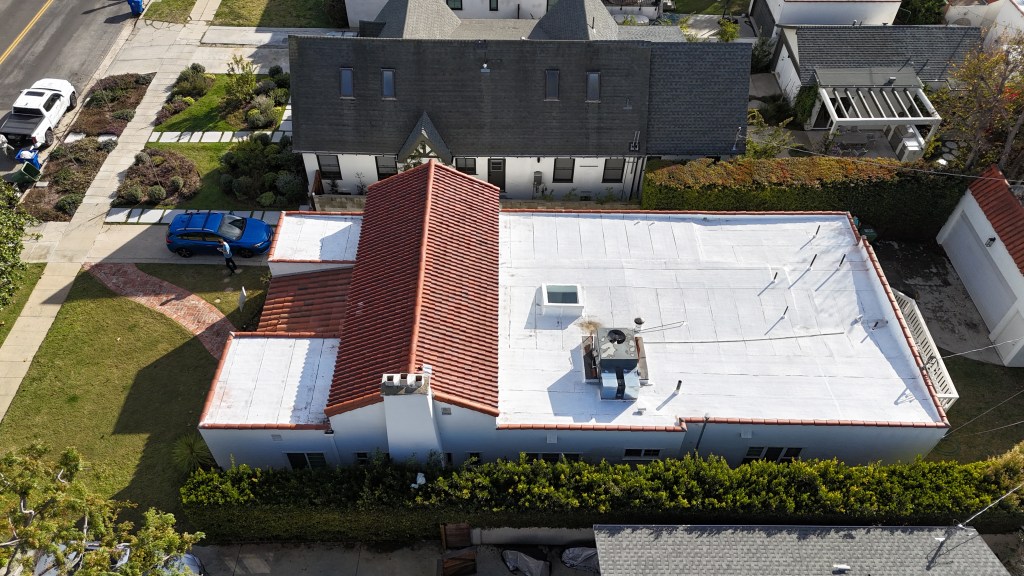
| Flat or low-slope roofing | Drainage issues, punctures, seam separation, and ponding water | Monitor drainage and inspect the roofing membrane |
| Wood shingles or shakes | Splitting, weathering, and moisture-related deterioration | Assess material condition and relevant ventilation concerns |
For example, a tile roof may look sound from the ground while having a damaged tile or a problem with the underlayment. Similarly, a low-slope roof may require particular attention to drainage and membrane seams.
Consequently, maintenance should account for both the visible roofing surface and the components that help the entire system perform properly.
If you are unsure which maintenance tasks suit your roof, consult a qualified roofing professional who can evaluate the material and explain the appropriate next steps.
How Often Should You Schedule Roof Maintenance?
The ideal maintenance schedule depends on several factors, including the roof’s age, material, previous repair history, nearby trees, and exposure to severe weather.
As a general approach, many homeowners arrange a professional roof assessment periodically, often annually, while older roofs or properties with recurring issues may benefit from more frequent attention. Additionally, an assessment after significant wind or storm damage may be appropriate when there are visible warning signs.
Consider these situations when planning maintenance:
- Before the rainy season: Check for visible defects, drainage concerns, and signs of deteriorated flashing.
- After significant wind events: Look for missing shingles, displaced materials, or fallen branches from a safe ground-level position.
- When the roof is aging: Arrange periodic professional assessments to monitor deterioration and plan future repairs.
- After a roof repair: Follow the contractor’s recommendations for checking the repaired area and maintaining related components.
- When interior warning signs appear: Arrange an assessment if you notice ceiling stains, unexplained moisture, or recurring leaks.
Furthermore, avoid relying on a fixed calendar alone. A roof with a history of leaks may need attention sooner than a newer roof that has remained in good condition.
The goal is to develop a maintenance schedule that reflects your property’s actual needs rather than waiting until a problem becomes urgent.
Roof Maintenance Versus Roof Repair: Understanding the Difference
Although roof maintenance and roof repair are related, they serve different purposes. Maintenance focuses on monitoring roof condition and addressing routine concerns, while repair involves correcting an identified defect or damage.
For example, checking gutters, observing roofing materials, and reviewing accessible flashing are common maintenance activities. Conversely, replacing missing shingles, repairing damaged flashing, or correcting a leak are repair tasks.
| Consideration | Roof maintenance | Roof repair |
| Main purpose | Monitor condition and identify potential concerns | Correct a specific defect or damage |
| Timing | Planned periodically or when recommended | Arranged when a problem is identified |
| Typical activities | Inspections and routine condition checks | Replacement or correction of damaged components |
| Budget planning | Often scheduled as part of ongoing property care | Depends on the location and extent of damage |
| Long-term benefit | Helps identify issues and plan work | Restores the affected part of the roofing system |
However, maintenance may reveal a problem that requires repair. Therefore, homeowners should ask whether the maintenance appointment includes corrective work or whether repairs will be quoted separately.
If your roof already has visible damage, recurring leaks, or missing roofing materials, explore Family Roofing’s roof repair services in Los Angeles, CA to learn about options for addressing the problem.
How Regular Roof Maintenance Can Help Manage Long-Term Costs
Roof maintenance requires time and planning. Nevertheless, it can help homeowners make better decisions about roofing expenses by identifying visible concerns and allowing time to consider appropriate solutions.
For instance, if a professional identifies deteriorating flashing during an inspection, the homeowner may be able to arrange corrective work before additional water intrusion occurs. Similarly, checking drainage areas can help identify obstructions before they contribute to more significant problems.
Moreover, regular assessments provide useful information about the roof’s condition. This information can help homeowners determine whether they should budget for repairs, monitor aging materials, or begin planning for replacement.
However, maintenance does not guarantee lower costs in every situation. Hidden defects, severe weather, installation issues, and normal material aging can still result in significant repairs.
The benefit is that maintenance can improve awareness of the roof’s condition and support more informed planning.
To make the most of a maintenance budget, consider these steps:
- Ask for a clear explanation of identified issues.
- Prioritize concerns that may allow water intrusion or create safety risks.
- Request written estimates for recommended repairs.
- Keep records of completed maintenance and repairs.
- Review the roof’s condition periodically to identify changes.
- Discuss replacement planning if the roof is approaching the end of its useful life.
Consequently, you can approach roofing expenses with a clearer understanding of the work that may be necessary.
When Should You Consider Roof Replacement Instead?
Maintenance can help preserve a roof, but it cannot restore materials that have deteriorated beyond practical repair. Therefore, homeowners should understand when replacement may be more appropriate than continued maintenance and isolated repairs.
A roof replacement may be worth considering when damage affects a large portion of the roof, leaks repeatedly occur in different areas, roofing materials have widespread deterioration, or the existing system has reached the end of its expected service life.
Nevertheless, the decision depends on the roof’s actual condition. An older roof may still be repairable in some areas, while a relatively newer roof may require extensive work after significant damage.
| Situation | Potential next step |
| Roof is generally sound with minor isolated defects | Maintenance and targeted repairs may be appropriate |
| A few shingles or tiles are damaged | Professional assessment and localized repair |
| Leaks keep returning in several locations | Investigate the underlying cause and compare repair options |
| Roofing materials show widespread deterioration | Consider a detailed assessment of repair versus replacement |
| Roof has extensive damage or compromised components | Discuss whether replacement is the more practical solution |
If a larger project appears necessary, review Family Roofing’s roof replacement services and discuss the condition of your existing roofing system with a qualified professional.
Ultimately, the best decision is based on the roof’s condition, repair history, expected service life, and overall project cost.
Practical Roof Maintenance Tips for Homeowners
Homeowners can support roof maintenance by paying attention to visible warning signs and keeping useful records. However, these activities should not replace professional inspections when a closer assessment is needed.
Check your ceilings and attic when safely accessible. Look for unexplained stains, damp materials, or signs of moisture. If you discover a problem, arrange an assessment rather than assuming the roof is the only possible source.
Observe the roof from the ground. Look for visible missing shingles, displaced tiles, sagging sections, or debris after significant weather events. Do not climb onto the roof to inspect it yourself.
Keep gutters and drainage areas in mind. When leaves and debris accumulate, arrange safe cleaning and confirm that water can drain appropriately.
Monitor nearby trees. Branches that overhang the roof may drop debris or rub against roofing materials. Have hazardous trimming work performed by an appropriately qualified professional.
Keep maintenance records. Record inspection dates, identified issues, completed repairs, and relevant recommendations. Consequently, you can track recurring concerns and make better-informed decisions.
Ask questions before approving work. Request an explanation of the problem, the proposed solution, and the estimated cost. Furthermore, confirm whether the work includes materials, labor, and any applicable warranty.
By following these practices, homeowners can become more familiar with their roof’s condition while leaving hazardous or technically demanding work to qualified professionals.
Why Consider Family Roofing for Roof Maintenance in Los Angeles?
Choosing a roofing service requires attention to more than price. Homeowners should also consider communication, the clarity of the proposed work, the contractor’s qualifications, and whether the recommendations suit the roof’s actual condition.
Family Roofing provides a starting point for exploring roofing solutions for residential properties. By visiting the Family Roofing website, homeowners can review the company’s information and available services.
Before arranging a maintenance appointment, ask which inspection tasks are included, whether written findings are provided, and how additional repairs will be handled if a problem is identified.
Additionally, confirm relevant licensing and insurance, request clear estimates, and ask about applicable warranties when repairs are recommended.
Homeowners planning seasonal roofing work may also want to review the Family Roofing fall promotion. However, verify the promotion’s current availability, eligibility requirements, and terms directly with the company before making a decision.
Ultimately, an appropriate maintenance plan should be based on the condition of your roof, the materials involved, and the work necessary to protect your property.
Frequently Asked Questions About Roof Maintenance Services in Los Angeles, CA
1. What are roof maintenance services?
Roof maintenance services involve checking the condition of roofing materials and related components, identifying visible defects, and recommending appropriate corrective work. Depending on the service, maintenance may include assessments of shingles, tiles, flashing, drainage areas, and signs of water intrusion.
2. How often should I schedule roof maintenance in Los Angeles?
Many homeowners arrange a professional assessment periodically, often annually. However, older roofs, properties with recurring leaks, and roofs exposed to significant debris or weather events may require more frequent attention. Follow the recommendations appropriate for your roof’s condition.
3. How much do roof maintenance services cost in Los Angeles, CA?
The cost depends on the roof’s size, material, accessibility, condition, and the scope of the maintenance work. Additional repairs may involve separate charges. Therefore, request a clear estimate that explains the inspection activities and any work that is not included.
4. Can roof maintenance prevent leaks?
Maintenance can help identify visible defects that may contribute to leaks, such as damaged flashing, missing shingles, or drainage concerns. However, it cannot guarantee that leaks will never occur, because some problems develop unexpectedly or remain concealed.
5. What are the warning signs that my roof needs attention?
Common warning signs include missing or damaged roofing materials, ceiling stains, recurring moisture, damaged flashing, blocked gutters, and visible sagging. If you notice a potential problem, arrange a professional assessment and avoid climbing onto the roof.
6. Is roof maintenance necessary for a newer roof?
Yes. Although a newer roof may not require significant repairs, monitoring its condition can help identify installation-related concerns, weather damage, or drainage problems. Furthermore, following manufacturer and contractor maintenance recommendations can help you care for the roofing system appropriately.
7. Does roof maintenance include roof repairs?
Not necessarily. Some maintenance appointments focus on inspection and recommendations, while corrective repairs may be quoted separately. Therefore, confirm the scope of service before scheduling and ask what happens if the inspection identifies damage.
8. When should I replace my roof instead of maintaining it?
Replacement may be appropriate when roofing materials have widespread deterioration, damage is extensive, leaks repeatedly occur, or the system has reached the end of its useful life. Nevertheless, a professional assessment can help determine whether targeted repairs remain practical.
9. Can roof maintenance help extend the life of my roof?
Appropriate maintenance can help identify developing problems and support timely repairs, which may help preserve an otherwise serviceable roof. However, it cannot prevent all aging, severe weather damage, or failures caused by underlying construction issues.
10. How can I contact Family Roofing about roof maintenance?
Visit the Family Roofing contact page to inquire about available services. Before contacting the company, note your roofing material, any visible warning signs, and whether you have experienced leaks or recent weather-related damage.
Protect Your Home With Roof Maintenance Services in Los Angeles, CA
Your roof plays an essential role in protecting your home from the elements. However, prolonged sun exposure, seasonal rain, wind, debris, and ordinary material aging can gradually affect its condition. Therefore, routine roof maintenance is a practical way to stay informed about your roofing system and identify problems that may require attention.
Moreover, a consistent maintenance plan can help you prioritize repairs, understand the condition of roofing materials, and plan for future replacement when necessary. Although no maintenance program can eliminate every roofing risk, proactive care can support better decision-making and help address visible defects before they become more disruptive.
Family Roofing offers homeowners a place to begin exploring roofing maintenance and related services. If an inspection reveals damage, consider the available roof repair services in Los Angeles, CA. Likewise, when the existing roof has extensive deterioration, review roof replacement options and discuss the most appropriate solution for your property.
Finally, do not wait for a serious leak to start paying attention to your roof. Observe visible warning signs, arrange professional assessments when needed, and keep track of maintenance and repair recommendations. With a thoughtful approach and suitable professional support, you can help maintain your roof’s condition and protect your Los Angeles home for years to come.


You must be logged in to post a comment.