
Your home’s roof does more than complete its exterior appearance. It protects your family from the elements, helps preserve the building’s structure, and contributes to indoor comfort throughout the year. However, as roofing materials age and weather conditions take their toll, repairs may no longer provide the dependable protection your property needs. Therefore, investing in residential roof replacement in Los Angeles, CA, can be an important step toward maintaining your home’s safety, appearance, and long-term value.
Los Angeles homeowners face a variety of roofing challenges. Strong sunlight can gradually deteriorate roofing materials, while seasonal rainfall can expose weaknesses around flashing, roof valleys, and drainage areas. Furthermore, occasional wind and falling branches may damage shingles or other roofing components. Consequently, a roof that once performed well may eventually require a comprehensive replacement.
Family Roofing provides homeowners with a starting point for discussing roofing concerns and exploring suitable solutions. Whether your roof has recurring leaks, widespread material deterioration, or visible signs of aging, a professional evaluation can help determine whether replacement is the right choice.
Although replacing a residential roof requires careful planning and financial investment, the process can provide meaningful long-term benefits when completed correctly. Moreover, selecting appropriate materials, understanding the installation process, and reviewing a detailed estimate can help you make an informed decision.
Why Residential Roof Replacement in Los Angeles, CA, Matters
A residential roof is a complete system rather than simply a layer of shingles or tiles. It may include decking, underlayment, flashing, ventilation components, and drainage features that work together to protect the building.
However, when one or more components deteriorate, the roof’s overall performance may decline. For example, damaged shingles can allow water to reach underlying materials, while deteriorated flashing may create openings around chimneys, vents, and roof intersections.
Consequently, replacing an aging or extensively damaged roofing system can be more practical than repeatedly addressing individual problems.
Here are several reasons homeowners consider residential roof replacement:
- Improved weather protection: A properly installed roofing system helps protect the property against rainfall, wind, and environmental exposure.
- Reduced recurring repair needs: Replacement can address widespread deterioration that isolated repairs may not resolve.
- Enhanced curb appeal: New roofing materials can refresh the home’s exterior and complement its architectural style.
- Potential energy benefits: Suitable materials, ventilation, and insulation can contribute to better indoor comfort and energy performance.
- Greater confidence when selling: A documented roof replacement may help prospective buyers understand the condition of a major building component.
- An opportunity to address hidden damage: Removing old roofing materials can reveal damaged decking or other concerns that require attention before installation.
Nevertheless, not every roof problem requires a complete replacement. Therefore, homeowners should arrange an appropriate assessment before deciding whether repairs or replacement offer the better solution.
You can explore Family Roofing’s roofing services for residential properties to learn more about the types of roofing work to discuss with a professional.
Signs Your Home May Need a New Roof
Roof deterioration often develops gradually. Initially, you may notice a few missing shingles or a small ceiling stain. However, as the roofing system ages, several problems may begin appearing across different sections.
Recognizing these warning signs can help you plan ahead rather than waiting for a major leak.
Frequent Roof Leaks
Recurring leaks are one of the most common reasons homeowners request a roof inspection. Although a leak may originate from damaged flashing or a localized opening, repeated water intrusion can also indicate broader roofing deterioration.
Furthermore, water may travel along roof decking or framing before appearing inside the home. Consequently, the location of a ceiling stain does not always reveal the exact source of the problem.
If your roof continues leaking after multiple repairs, ask a roofing professional to evaluate the overall condition of the system. Family Roofing provides information about roof repair services in Los Angeles, CA for homeowners dealing with localized damage or other roofing concerns.
Missing, Cracked, or Curling Shingles
Asphalt shingles can become damaged through aging, weather exposure, or improper installation. For example, curling edges, cracks, missing sections, and excessive granule loss may indicate that the roof needs attention.
However, the significance of these conditions depends on their extent and the roof’s overall age. Therefore, an inspection can help determine whether a repair is sufficient or whether replacement should be considered.
Sagging Roof Sections
A visibly sagging roofline may indicate a problem involving the decking, framing, moisture exposure, or structural integrity. Consequently, this condition should be assessed promptly by a qualified professional.
If you suspect structural instability, avoid entering the affected area and seek appropriate assistance.
An Aging Roofing System
Every roofing material has an expected service life, although actual performance depends on installation quality, maintenance, climate, and exposure.
For this reason, homeowners should consider both the roof’s age and its current condition. An older roof that has been maintained carefully may perform differently from a similarly aged roof that has experienced repeated leaks or poor ventilation.
Rising Repair Costs
Occasional repairs may be reasonable when the roof remains in good condition. Nevertheless, repeated repair expenses can accumulate when large sections of the roofing system are deteriorating.
Consequently, comparing the cost of continued repairs with the projected cost of replacement can help you make a more practical long-term decision.
Residential Roof Repair vs. Roof Replacement
Homeowners frequently ask whether a damaged roof should be repaired or replaced. The answer depends on the roof’s age, the extent of deterioration, the condition of underlying materials, and the cost of the recommended work.
For example, a small leak caused by damaged flashing may require only a targeted repair. Conversely, widespread shingle failure combined with deteriorated underlayment may indicate that replacement is more appropriate.
| Consideration | Roof repair | Residential roof replacement |
| Primary purpose | Resolve a specific problem | Renew an aging or extensively damaged roofing system |
| Scope | Usually limited to selected areas | Typically covers a large portion or the entire roof |
| Initial cost | Often lower for localized issues | Generally higher because of the broader project |
| Best application | Isolated damage on a serviceable roof | Widespread deterioration or repeated roofing problems |
| Project duration | Often shorter for straightforward work | Depends on roof size, materials, weather, and repairs |
| Long-term planning | Other aging areas may need attention later | Provides an opportunity to renew the roofing system |
However, homeowners should not base the decision on price alone. A low-cost repair may not offer good value if widespread deterioration means more repairs will soon be necessary. On the other hand, replacing a roof that only needs a minor repair may be an unnecessary expense.
Therefore, request a clear explanation of the roof’s condition and compare the realistic benefits of each option before proceeding.
Choosing the Right Roofing Material for Your Los Angeles Home
Selecting a roofing material is one of the most important decisions in a replacement project. Nevertheless, the most suitable option depends on your home’s design, roof slope, structural capacity, budget, maintenance preferences, and applicable building requirements.
Moreover, the material should be appropriate for the property’s exposure to sunlight and seasonal weather.
Asphalt Shingles
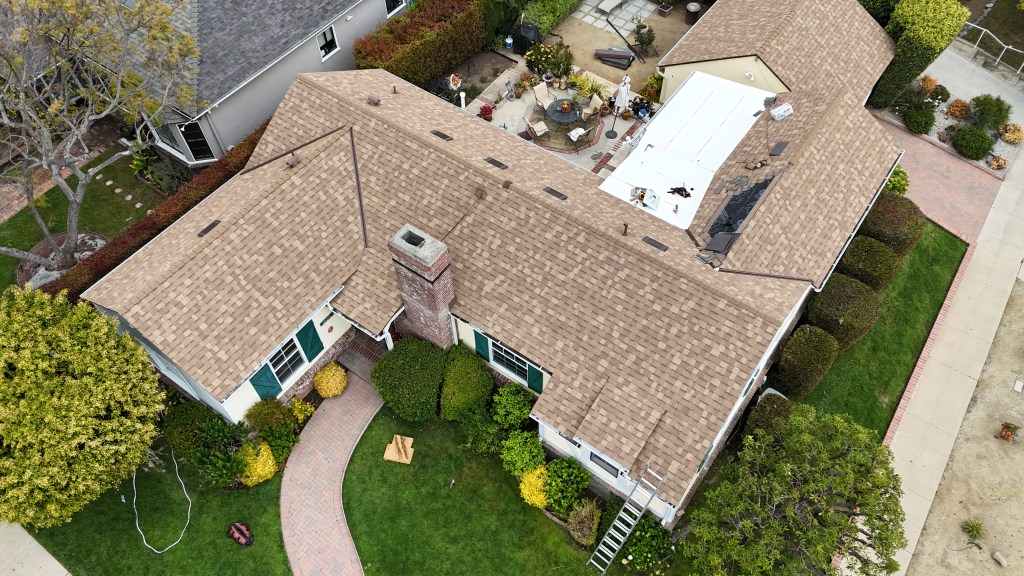
Asphalt shingles are a common residential roofing option because they are available in a wide range of colors, styles, and price points. Additionally, many products can complement traditional and contemporary home designs.
However, quality and performance vary between products. Therefore, consider the manufacturer’s specifications, expected service life, wind performance, and warranty terms before selecting a shingle system.
Tile Roofing
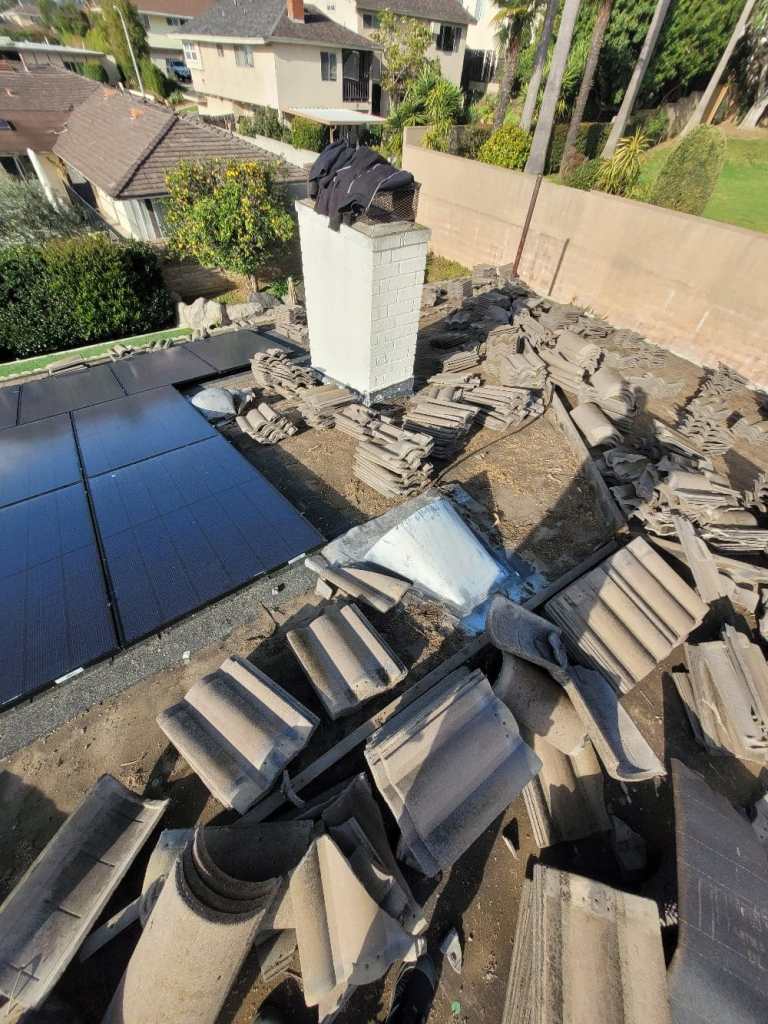
Tile roofing can complement many Southern California architectural styles. Depending on the product and installation, tile may provide a durable exterior surface and distinctive appearance.
Nevertheless, tile can be relatively heavy. Consequently, the roof structure must be suitable for the selected system. Underlayment, flashing, and other concealed components also require appropriate attention because damaged components beneath intact tiles can contribute to leaks.
Metal Roofing
Metal roofing offers another option for homeowners seeking durability and a different exterior appearance. Depending on the selected product, it may provide reflective properties and a relatively low-maintenance surface.
However, the specific system, installation method, roof design, and local requirements all matter. Therefore, compare product details and installation recommendations before choosing metal roofing for your property.
Flat and Low-Slope Roofing
Some residential properties have flat or low-slope roof sections. These systems require appropriate waterproofing, drainage, and installation details to help manage rainfall.
Consequently, replacement planning should include an assessment of drainage outlets, seams, roof penetrations, and areas where water may collect.
| Material | Potential advantages | Important considerations |
| Asphalt shingles | Multiple styles and price ranges | Product quality, ventilation, and installation |
| Tile | Distinctive appearance and durable surface | Structural capacity and underlayment condition |
| Metal | Durable options and varied designs | System compatibility and installation details |
| Flat-roof membrane | Suitable options for low-slope applications | Drainage, seams, and waterproofing |
Ultimately, a roofing professional can help you compare materials according to your property’s requirements rather than selecting a product based on appearance alone.
The Residential Roof Replacement Process
Understanding the replacement process helps homeowners prepare for the work and know what to expect. Although specific procedures vary according to the roofing system, most projects follow several important stages.
Step 1: Initial Roof Inspection
First, the contractor evaluates the existing roofing system. This may include examining visible materials, flashing, drainage, roof penetrations, and accessible structural components.
Furthermore, the inspection should identify signs of moisture intrusion and determine whether the roof decking may require additional attention.
Step 2: Selecting Materials and Reviewing the Estimate
Next, the homeowner and contractor discuss material choices, project scope, pricing, and scheduling.
The written estimate should identify the proposed roofing materials, labor, removal of existing materials, underlayment, flashing, and cleanup. Additionally, it should explain how unexpected damage and additional costs will be handled.
Step 3: Protecting the Property and Removing Old Materials
Before work begins, the contractor should explain how the work area and surrounding property will be protected.
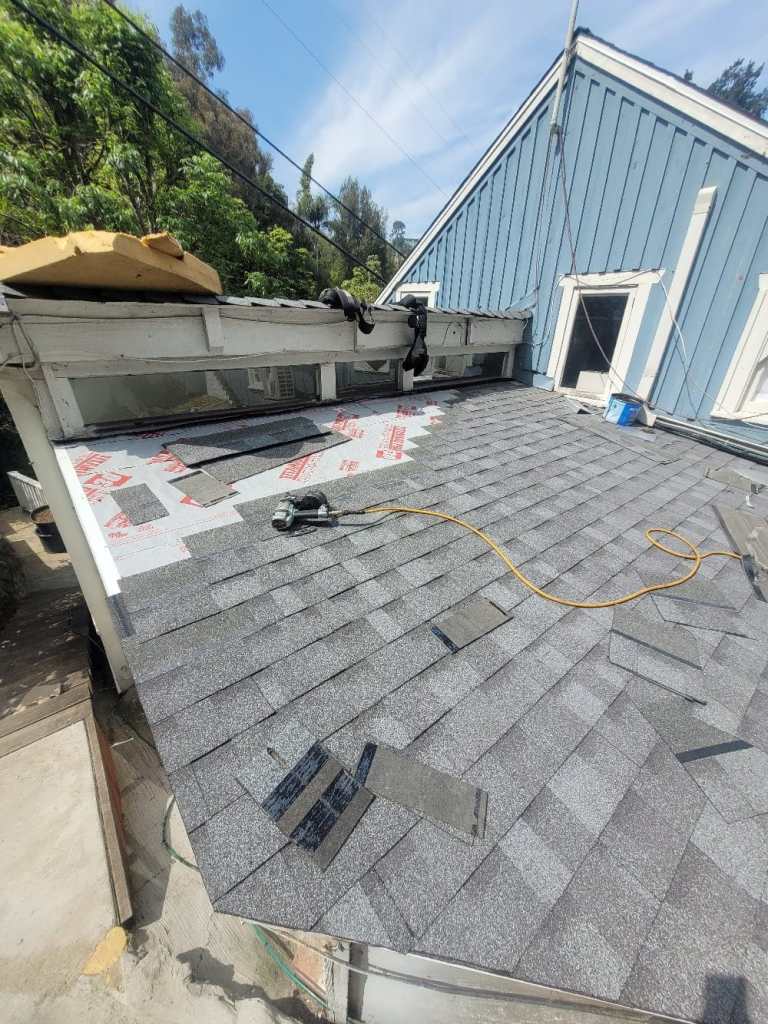
Then, the existing roofing materials are removed where necessary. During this stage, concealed damage may become visible. Consequently, homeowners should understand the approval process for additional repairs before the project starts.
Step 4: Inspecting and Repairing the Roof Decking
After the old roofing materials are removed, the exposed decking can be evaluated. If sections are damaged or unsuitable for the new roofing system, they may need to be repaired or replaced.
Furthermore, the contractor should confirm that the underlying surface is appropriate for the planned installation.
Step 5: Installing Underlayment and New Roofing Materials
Once the roof surface is ready, suitable underlayment and other required components are installed. Next, the new roofing materials are fitted according to the manufacturer’s specifications and applicable requirements.
Flashing around chimneys, vents, valleys, and other roof penetrations deserves particular attention because these areas can be vulnerable to water intrusion.
Step 6: Final Inspection and Cleanup
Finally, the contractor completes the agreed cleanup and reviews the finished installation. Depending on the project, this may include checking visible roofing details, drainage, flashing, and the condition of the surrounding work area.
In addition, homeowners should request documentation covering the completed work, product specifications, and applicable warranty information.

How Much Does Residential Roof Replacement Cost in Los Angeles, CA?
Roof replacement costs vary considerably because homes differ in size, design, materials, and existing condition. Therefore, a useful estimate should reflect the specific requirements of your property.
Several factors may influence the overall price.
| Cost factor | How it affects the project |
| Roof size | Larger roof areas generally require more materials and labor |
| Roof pitch | Steeper roofs may require additional safety measures and labor |
| Design complexity | Valleys, skylights, chimneys, and multiple roof sections can increase installation work |
| Material selection | Roofing products have different purchase prices and installation requirements |
| Removal and disposal | Existing materials may require additional labor and disposal costs |
| Decking condition | Damaged sections may need repair or replacement |
| Flashing and ventilation | Upgrades may be necessary to support the roofing system |
| Permits and local requirements | Applicable rules may affect project scope and costs |
For example, a straightforward roof with easy access may cost less to replace than a complex roof with multiple levels and damaged decking. Similarly, selecting a premium roofing material may increase the upfront investment.
Consequently, request a detailed written estimate rather than comparing contractors by the total price alone. Furthermore, ask whether the quote includes removal, disposal, underlayment, flashing, cleanup, and any necessary repairs.
Can a New Roof Improve Home Value and Curb Appeal?
A roof covers a substantial portion of a home’s exterior. Therefore, replacing faded, damaged, or visibly deteriorated materials can improve the property’s overall presentation.
Additionally, a documented replacement may help prospective buyers understand that the roofing system has received attention. This can be particularly useful when preparing a property for sale.
However, a new roof does not guarantee a specific increase in market value. The actual effect depends on neighborhood conditions, buyer preferences, the home’s overall condition, and the materials selected.
For this reason, homeowners should consider curb appeal alongside practical factors such as weather protection, maintenance needs, and the expected performance of the roofing system.
Preparing Your Home for Roof Replacement
A little preparation can make the replacement process more manageable. Although the roofing contractor should explain the project’s specific requirements, homeowners can take several practical steps beforehand.
- Move vehicles away from the immediate work area when requested.
- Secure fragile belongings in the attic if vibrations may affect stored items.
- Keep children and pets away from active work zones.
- Discuss access requirements and expected working hours with the contractor.
- Ask how landscaping and outdoor furniture will be protected.
- Confirm how debris will be collected and removed.
- Discuss potential delays caused by rain or other unsuitable weather.
- Keep the written estimate and project communication available for reference.
Furthermore, ask the contractor to explain what to expect during material delivery, removal, and installation. Clear communication can reduce confusion and help you plan around temporary noise and access restrictions.
How to Maintain Your New Roof After Installation
A new roof still requires sensible maintenance. Although a properly installed roofing system should provide protection according to its design and materials, small issues can develop over time.
Therefore, routine attention can help identify concerns before they become more extensive.
First, inspect visible roof areas from a safe location after significant weather events. Next, look for signs of water intrusion inside the home, including ceiling stains or peeling paint. In addition, keep gutters and drainage paths clear where applicable.
Homeowners should also arrange professional assessments when shingles become loose, flashing appears damaged, or leaks develop. However, avoid walking on the roof without suitable training and safety equipment because falls and material damage are serious risks.
Moreover, keep records of maintenance, repairs, and warranty information. These documents can help you understand the roof’s history and may be useful when selling the property.
Why Choose Family Roofing for Residential Roofing Needs?
Choosing a roofing contractor is an important decision because installation quality and material selection influence the performance of the completed roof.
Therefore, homeowners should look for clear communication, a detailed written scope of work, appropriate licensing and insurance, and an explanation of the available roofing options.
Before hiring a contractor, consider asking:
- Is the contractor appropriately licensed for the proposed work in California?
- Does the company carry the necessary insurance?
- Which materials and product specifications are included?
- How will the property be protected during installation?
- What happens if damaged decking is discovered?
- Are permits and inspections addressed where required?
- Which workmanship and manufacturer warranties apply?
- How will additional work and costs be approved?
Furthermore, review the contract carefully before authorizing the project. It should clearly describe the work, materials, payment terms, expected schedule, and procedures for changes.
Homeowners can learn more about Family Roofing by visiting the company’s website and discussing their residential roofing requirements.
Frequently Asked Questions About Residential Roof Replacement in Los Angeles, CA
How Do I Know When My Residential Roof Needs Replacement?
Frequent leaks, widespread material deterioration, missing shingles, visible sagging, and repeated repair expenses may indicate that replacement should be considered. However, these signs do not automatically mean the entire roof must be replaced. A professional assessment can help determine the appropriate solution.
How Long Does Residential Roof Replacement Take?
The timeline depends on roof size, design complexity, materials, weather, and whether hidden damage requires repairs. Some straightforward residential projects may take a few days, while more complex work can take longer. Ask your contractor for a schedule based on your property.
What Is the Best Roofing Material for Homes in Los Angeles?
There is no single best material for every home. Asphalt shingles, tile, metal, and flat-roof systems offer different benefits and requirements. Therefore, compare cost, appearance, structural suitability, maintenance, and product specifications before making a decision.
Is Roof Replacement Better Than Roof Repair?
Replacement may be more practical when deterioration affects large areas or the roof requires repeated repairs. Conversely, isolated damage on an otherwise serviceable roof may be repairable. A professional assessment can help you compare the costs and expected benefits of each option.
Do I Need a Permit for Residential Roof Replacement in Los Angeles?
Permit requirements depend on the property, the work being performed, and applicable local regulations. Therefore, confirm the requirements with the relevant building department and your roofing contractor before work begins.
Does a New Roof Improve Energy Efficiency?
A suitable roofing system can contribute to energy performance through material selection, ventilation, and coordination with insulation. However, results depend on the complete building design, product specifications, and installation quality.
What Should a Roof Replacement Estimate Include?
A detailed estimate should describe the roofing materials, labor, removal of existing materials, underlayment, flashing, disposal, and cleanup. Furthermore, it should explain how additional repairs will be priced and approved if hidden damage is discovered.
Does Family Roofing Offer Roof Repair Services?
Family Roofing provides information about its Los Angeles roof repair services. Depending on the roof’s condition, a repair may be sufficient, or a full replacement may be worth considering.
Are Roofing Promotions Available?
Promotions may vary according to timing, eligibility, and the terms of the offer. Therefore, homeowners should review Family Roofing’s seasonal roofing promotion information and confirm the current details directly with the company.
How Can I Contact Family Roofing for Residential Roof Replacement?
Prepare details about your roof’s age, visible damage, recurring leaks, and material preferences. Then, visit the Family Roofing contact page to discuss your project and request further information.
Protect Your Home With Residential Roof Replacement From Family Roofing
Your roof is a major part of your home’s protection, appearance, and long-term maintenance needs. However, when roofing materials deteriorate or leaks continue to return, deciding whether to repair or replace the system can become challenging.
Fortunately, a professional assessment can help you understand the roof’s condition and identify an appropriate course of action. By comparing material options, reviewing a detailed estimate, and understanding the installation process, you can approach residential roof replacement in Los Angeles, CA, with greater confidence.
Family Roofing provides a starting point for homeowners who want to discuss their roofing concerns and explore available solutions. Whether your roof is aging, showing visible damage, or requiring frequent repairs, planning ahead can help you address the problem before it becomes more disruptive.
You can review the company’s roof replacement services to learn more about planning a replacement project. In addition, ask about any available seasonal roofing offers when requesting an estimate, since terms and availability may vary.
Take the next step toward a roof that suits your home’s condition and long-term needs. Contact Family Roofing to discuss your residential roofing project and explore the options available for your Los Angeles property.

You must be logged in to post a comment.